


Common Fiber Optic Splitter Installation Mistakes to Avoid for Optimal Performance
Common Fiber Optic Splitter Installation Mistakes to Avoid for Optimal Performance
Fiber optic technology has revolutionized the telecommunications industry, providing high-speed data transmission over long distances with minimal loss. However, the installation of fiber optic splitters, critical components for distributing optical signals, is fraught with potential pitfalls. Understanding these common installation mistakes can significantly impact the functionality and reliability of your fiber optic network. In this guide, we delve into the key errors to avoid during fiber optic splitter installation, ensuring optimal performance and longevity of your system.
Table of Contents
Introduction to Fiber Optic Splitters
Understanding Fiber Optic Splitters
Common Installation Mistakes
Ignoring Industry Standards and Guidelines
Poor Cable Management Practices
Inadequate Testing After Installation
Selecting the Wrong Type of Splitter
Faulty Fiber Termination
Best Practices for Successful Installation
Conclusion
FAQs about Fiber Optic Splitter Installation
Introduction to Fiber Optic Splitters
Fiber optic splitters are passive optical devices essential for distributing signals from a single fiber into multiple fibers. They play a crucial role in fiber-to-the-home (FTTH) networks, data centers, and various telecommunication applications. Proper installation of these splitters is vital to maximize performance, reduce signal loss, and ensure the longevity of your fiber optic infrastructure.
Understanding Fiber Optic Splitters
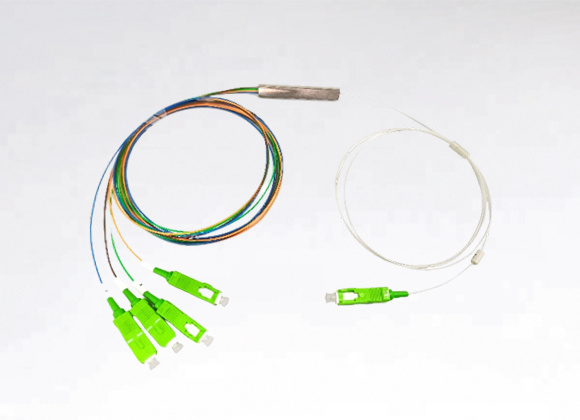
Fiber optic splitters come in various types, including 1xN and 2xN configurations, where "N" denotes the number of outputs. Common types include fused biconical taper (FBT) and planar lightwave circuit (PLC) splitters, each with unique characteristics and applications. Understanding the differences between these types is crucial for selecting the right splitter for your specific needs.
Types of Fiber Optic Splitters
1. Fused Biconical Taper (FBT) Splitters: These are typically used for low-power applications and are less expensive. However, they have higher insertion loss compared to PLC splitters.
2. Planar Lightwave Circuit (PLC) Splitters: These are suitable for high-performance applications, providing lower insertion loss and better uniformity across multiple output channels.
Common Installation Mistakes
To ensure a successful fiber optic splitter installation, it’s essential to avoid several common mistakes. Below are the most frequently encountered pitfalls that technicians should be aware of.
Ignoring Industry Standards and Guidelines
One of the most significant mistakes in fiber optic splitter installation is ignoring established industry standards and guidelines. Adhering to standards set forth by organizations such as the Telecommunications Industry Association (TIA) and the International Electrotechnical Commission (IEC) is critical. These standards include specifications for installation practices, testing procedures, and performance metrics that help maintain the integrity and efficiency of the network.
Poor Cable Management Practices
Another common mistake is poor cable management during installation. Cables should be organized, secured, and routed properly to avoid tangling or bending beyond allowable limits. Implementing proper cable management techniques, such as using cable trays, ties, and labeling, enhances both the aesthetic and functional aspects of the installation, ensuring that maintenance and future upgrades are easier to manage.
Inadequate Testing After Installation
Failure to conduct thorough testing after installation is a critical error that can lead to performance issues. It is essential to perform tests such as Optical Time Domain Reflectometer (OTDR) tests and insertion loss measurements to verify that the installation meets performance specifications. These tests should also be documented for future reference and to ensure compliance with industry standards.
Selecting the Wrong Type of Splitter
Selecting an inappropriate splitter type for the application can lead to excessive signal loss and degraded performance. It is crucial to evaluate factors such as wavelength, required splitting ratio, and the specific application before choosing a splitter. Consulting with an experienced technician or supplier can help ensure the right selection is made.
Faulty Fiber Termination
Improper termination of fiber optic cables can significantly impact the performance of the network. Faulty termination leads to increased insertion loss and reflects signals, potentially causing network failures. Utilizing proper fiber termination techniques and tools, such as fusion splicers or mechanical splicing kits, is vital for achieving optimal performance.
Best Practices for Successful Installation
To avoid the aforementioned mistakes, we recommend implementing the following best practices for fiber optic splitter installation:
1. Follow Industry Standards
Always adhere to the latest industry standards and guidelines to ensure a compliant and efficient installation. Regularly updating your knowledge on these standards will keep your practices current and reliable.
2. Plan Cable Management
Design a well-organized cable management strategy before installation. Use cable trays, ties, and clear labeling to maintain neatness and facilitate easy maintenance.
3. Conduct Thorough Testing
Perform comprehensive testing of the installation, including OTDR tests and insertion loss measurements. Document all test results for compliance and future reference.
4. Consult Experts
If unsure about any aspect of the installation, consult with fiber optic experts or technicians who can provide valuable insights and guidance.
5. Ensure High-Quality Termination
Utilize high-quality termination techniques and tools to minimize loss and ensure a reliable connection. Regularly inspect and clean connectors before use to prevent contamination.
Conclusion
Installing fiber optic splitters may seem straightforward, but several mistakes can compromise the performance of your network. By understanding common pitfalls and implementing best practices, you can ensure a successful installation that maximizes the efficiency and longevity of your fiber optic system. Awareness and diligence are key to avoiding costly errors and achieving optimal performance in your telecommunications infrastructure.
FAQs about Fiber Optic Splitter Installation
1. What is a fiber optic splitter?
A fiber optic splitter is a device that divides a single optical signal into multiple signals, allowing for the distribution of data across multiple fibers.
2. What are the different types of fiber optic splitters?
The most common types are Fused Biconical Taper (FBT) splitters and Planar Lightwave Circuit (PLC) splitters, each suited for different applications and performance needs.
3. How do I test a fiber optic splitter after installation?
Testing can be conducted using Optical Time Domain Reflectometers (OTDR) and insertion loss measurement tools to verify the performance and compliance of the installation.
4. What are the consequences of poor fiber optic splitter installation?
Poor installation can lead to high insertion loss, signal degradation, and ultimately network failures, resulting in costly downtime and repairs.
5. How often should I conduct maintenance on my fiber optic network?
Regular maintenance should be scheduled at least once a year, or sooner if any performance issues are detected, to ensure optimal functionality and reliability.
We are here for you
 Contact with us







ZEN KABEL
GUIFANGQIAO INDUSTRIAL ZONE, LIN'AN DISTRICT, HANGZHOU CITY, ZHEJIANG PROVINCE, CHINA. 311312
© 2026 HANGZHOU ZENKABEL TECHNOLOGY CO., LTD | Powered by HANGZHOU