


Understanding CAT7A Ethernet Cable: The Next Generation of Networking
In today's fast-paced digital environment, choosing the right Ethernet cable is crucial for ensuring optimal network performance. One of the latest advancements in Ethernet technology is the CAT7A Ethernet cable, which offers a balanced mix of speed, bandwidth, and shielding for both commercial and residential applications. This article delves into the features and advantages of CAT7A cables, providing valuable insights for professionals in the electrical and cabling industries.
CAT7A Ethernet cables are designed to support higher data transfer rates compared to their predecessors. They can handle frequencies up to 1 GHz, making them suitable for high-speed internet connections, streaming, and data-heavy applications. This capability is especially beneficial for businesses relying on cloud services, video conferencing, and large file transfers.
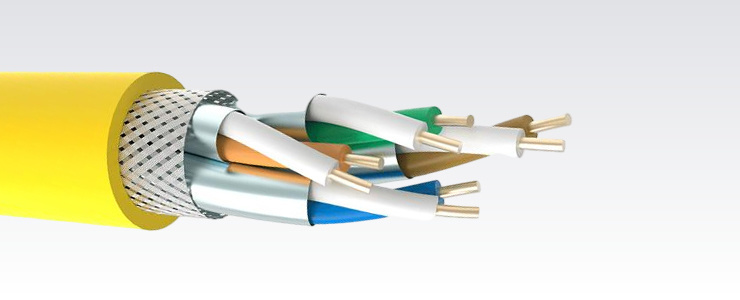
One of the most significant features of CAT7A cables is their advanced shielding. They typically incorporate four twisted pairs of conductors, each individually shielded with foil or mesh. This additional shielding minimizes crosstalk and electromagnetic interference (EMI), ensuring a stable and reliable signal. In environments with heavy machinery or high-frequency devices, CAT7A cables are particularly advantageous, as they maintain signal integrity over longer distances.
Another key aspect of CAT7A Ethernet cables is their backward compatibility. They can seamlessly connect with older standards such as CAT6 and CAT5e, providing flexibility during upgrades. This compatibility allows organizations to enhance their network infrastructure without the need for complete overhauls, making it a cost-effective solution for many.
For those in the electrical and cabling fields, selecting the right type of cable for specific applications is essential. CAT7A cables are ideal for high-density data centers, gaming setups, and any environment that demands fast and reliable connectivity. Their capability to support 10 Gigabit Ethernet over extended distances further solidifies their role in modern networking solutions.
In conclusion, CAT7A Ethernet cables represent the forefront of networking technology, offering exceptional performance and reliability. By understanding the benefits and applications of these cables, professionals in the electrical and cabling industry can make informed decisions that enhance network efficiency and support future technological advancements. As the demand for faster, more reliable internet connections continues to grow, investing in CAT7A cables may prove to be a strategic move for businesses and individuals alike.
We are here for you
 Contact with us







ZEN KABEL
GUIFANGQIAO INDUSTRIAL ZONE, LIN'AN DISTRICT, HANGZHOU CITY, ZHEJIANG PROVINCE, CHINA. 311312
© 2026 HANGZHOU ZENKABEL TECHNOLOGY CO., LTD | Powered by HANGZHOU