


Why Choose High Flex Ethernet Cables for Industrial Applications?
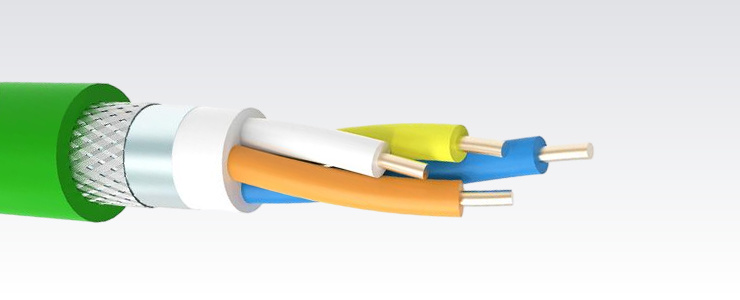
Why Choose High Flex Ethernet Cables for Industrial Applications?
In the rapidly evolving landscape of industrial technology, the need for reliable and high-performance networking solutions is paramount. Among these solutions, high flex Ethernet cables stand out as a versatile choice for various industrial applications. This article explores the ins and outs of high flex Ethernet cables, why they are essential for industrial settings, their benefits, and much more.
Table of Contents
Understanding High Flex Ethernet Cables
Key Benefits of High Flex Ethernet Cables
Applications in Industrial Settings
Comparing High Flex and Standard Cables
Technical Specifications and Standards
Installation and Maintenance Tips
Choosing the Right Cable for Your Needs
Frequently Asked Questions
Conclusion
Understanding High Flex Ethernet Cables
High flex Ethernet cables are designed specifically for environments that require a high level of flexibility and durability. Unlike standard Ethernet cables, which may be rigid and prone to damage when subjected to movement or bending, high flex cables utilize specialized materials and construction techniques to withstand harsh conditions. These cables are often used in applications where constant movement is expected, such as in robotic systems, automated machinery, and other dynamic environments.
Manufacturers use high-quality polyurethane and other flexible materials to create jackets that not only protect the cables from environmental stressors but also enhance their flexibility. This allows high flex Ethernet cables to bend and twist without suffering from performance degradation, making them ideal for industrial applications.
Key Benefits of High Flex Ethernet Cables
High flex Ethernet cables offer numerous advantages that make them the preferred choice for industrial settings. Here are some of the key benefits:
1. Enhanced Durability
High flex cables are built to last. Their robust construction provides resistance against wear and tear from constant movement, chemicals, and extreme temperatures. This durability ensures a longer lifespan, reducing the need for frequent replacements.
2. Superior Flexibility
Their unique design allows for bending and twisting in tight spaces without compromising signal integrity. This flexibility makes installation easier and more efficient, especially in complex industrial setups.
3. Reliable Performance
High flex Ethernet cables maintain consistent signal quality across varying conditions. This reliability is critical for industrial applications where downtime can lead to significant losses.
4. Resistance to Environmental Factors
These cables are often rated for use in harsh environments. They resist oil, water, UV light, and other damaging elements, making them suitable for outdoor and indoor applications alike.
5. Improved Data Transmission Speeds
High flex Ethernet cables support higher data rates, which is crucial for applications requiring fast and efficient communication between devices. Whether it's for a production line or a data center, these cables ensure that information flows smoothly.
Applications in Industrial Settings
High flex Ethernet cables are ideal for a wide range of industrial applications, including but not limited to:
1. Robotics
In robotic systems, where cables are frequently bent and twisted, high flex Ethernet cables ensure reliable connections between various components. This is essential for the precise operation of robotic arms and automated machinery.
2. Manufacturing
In manufacturing environments, equipment often requires constant movement. High flex cables can handle the stress and strain while maintaining strong connectivity, which is vital for operational efficiency.
3. Machine Tools
Machine tools that rely on accurate data transmission benefit from high flex Ethernet cables. These cables can support high-speed communication, which is essential for real-time monitoring and control.
4. Conveyor Systems
Conveyor belts must remain operational without interruption. High flex cables provide the flexibility and durability needed to maintain connections along moving parts.
5. Transportation and Logistics
In the transportation sector, high flex Ethernet cables help ensure that communication systems remain operational in variable conditions, including temperature changes and vibrations.
Comparing High Flex and Standard Cables
When deciding between high flex and standard Ethernet cables for industrial applications, it’s essential to understand the differences. Here’s a comparison:
1. Flexibility
Standard cables tend to be rigid and inflexible, making them unsuitable for applications where movement is common. High flex cables, on the other hand, excel in dynamic environments.
2. Durability
High flex cables are constructed with materials that resist wear from movement and environmental factors, whereas standard cables may face damage and reduce performance over time.
3. Signal Integrity
High flex cables maintain signal integrity under movement, while standard cables may suffer from signal loss or degradation when bent or twisted.
Technical Specifications and Standards
To ensure you select the right high flex Ethernet cable, it’s crucial to understand the technical specifications and standards that govern their performance:
1. Cable Category
High flex Ethernet cables are commonly available in various categories, such as Cat5e, Cat6, and Cat6a, each supporting different data rates and bandwidths.
2. Flexibility Rating
Manufacturers often provide a flexibility rating that indicates how many cycles of bending the cable can endure before performance is affected.
3. Environmental Ratings
Look for cables with ratings that indicate their resistance to outdoor elements, such as UV light, moisture, and chemicals. Common ratings include TPE (Thermoplastic Elastomer) and PVC (Polyvinyl Chloride).
Installation and Maintenance Tips
To ensure optimal performance and longevity of high flex Ethernet cables, follow these installation and maintenance tips:
1. Proper Bending Radius
Always adhere to the recommended bending radius during installation. Exceeding this limit can lead to cable damage and performance issues.
2. Avoid Tension and Pulling
When installing cables, avoid applying excessive tension or pulling, which can compromise the integrity of the cable.
3. Regular Inspections
Conduct regular inspections for signs of wear and tear, particularly in high-movement areas. Early detection can prevent significant issues later.
4. Use Appropriate Connectors
Ensure you use connectors that are compatible with high flex cables to maintain signal integrity and performance.
Choosing the Right Cable for Your Needs
Selecting the right high flex Ethernet cable requires careful consideration of several factors:
1. Application Requirements
Identify the specific needs of your application, including data transfer rates, environmental conditions, and movement patterns.
2. Length and Layout
Consider the length of the cable runs and the layout of your industrial space. Longer runs may require additional considerations for signal quality.
3. Budget
While high flex cables may come at a premium compared to standard cables, factor in the long-term savings associated with durability and reduced maintenance.
Frequently Asked Questions
1. What is the difference between high flex and standard Ethernet cables?
High flex cables are designed to withstand frequent bending and movement, while standard cables are rigid and may suffer damage over time.
2. Can high flex Ethernet cables be used outdoors?
Yes, many high flex Ethernet cables are designed to resist environmental factors, making them suitable for outdoor applications.
3. How do I determine the right category of cable for my needs?
Consider your data transfer requirements, network speed, and distance when choosing the cable category (e.g., Cat5e, Cat6).
4. Are high flex Ethernet cables more expensive than standard cables?
Typically, high flex cables cost more due to their advanced materials and construction, but they offer long-term savings through durability.
5. How often should I inspect high flex cables?
Regular inspections are recommended, especially in high-movement areas, to catch any wear and tear early on.
Conclusion
In summary, high flex Ethernet cables are a crucial component for ensuring reliable and efficient network performance in industrial applications. Their unique design offers unparalleled flexibility, durability, and resistance to environmental factors. Whether you are operating robotic systems, manufacturing equipment, or complex conveyor systems, investing in high flex Ethernet cables can lead to improved performance and reduced downtime. As industrial environments continue to evolve, the demand for robust networking solutions like high flex cables will only grow, making them a smart choice for any modern enterprise.
We are here for you
 Contact with us







ZEN KABEL
GUIFANGQIAO INDUSTRIAL ZONE, LIN'AN DISTRICT, HANGZHOU CITY, ZHEJIANG PROVINCE, CHINA. 311312
© 2026 HANGZHOU ZENKABEL TECHNOLOGY CO., LTD | Powered by HANGZHOU