


Why Choosing the Right Control Cable Matters for Your Projects
Why Choosing the Right Control Cable Matters for Your Projects
In any electrical installation or project, choosing the right control cable is paramount. The effectiveness and safety of your electrical systems hinge on this crucial decision. Understanding why this choice matters can save you time, reduce costs, and enhance the longevity of your installations. In this article, we delve deep into the nuances of control cables, their characteristics, and the significant impact they have on your projects.
The Importance of Control Cables in Electrical Systems
Control cables play a vital role in the functioning of electrical systems. These cables are designed to transmit control signals, thereby ensuring that various components of an electrical system function correctly. They are crucial for applications in industrial automation, building management systems, and many other sectors where precise control is necessary.
What Are Control Cables?
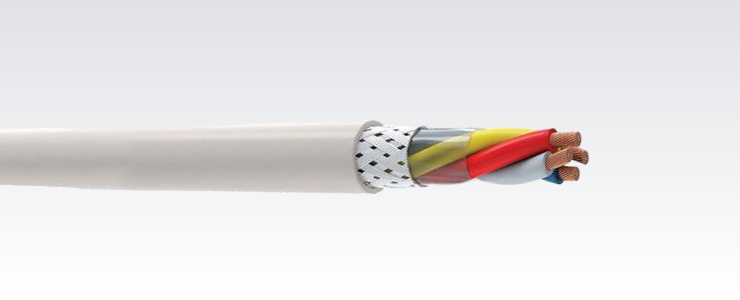
Control cables are specialized electrical cables that carry signals used to control machinery and equipment. Unlike power cables that supply direct current or voltage, control cables transmit low-voltage signals. They are typically used to connect control devices such as sensors, actuators, and controllers.
Types of Control Cables
Understanding the types of control cables available is essential for making an informed choice:
1. Unshielded Control Cables: These are suitable for less sensitive applications where electromagnetic interference (EMI) is minimal.
2. Shielded Control Cables: Ideal for environments with high EMI, shielded cables prevent signal degradation and ensure better performance.
3. Multi-Conductor Cables: These cables contain multiple conductors, allowing for the simultaneous transmission of several signals.
4. Twisted Pair Cables: By twisting pairs of wires, these cables minimize interference, making them suitable for data transmission.
Key Factors to Consider When Choosing Control Cables
Making the right choice involves several factors that need careful consideration. Here are the most critical aspects to keep in mind.
1. Application Requirements
Different applications require different types of control cables. Assessing the specific needs of your project is the first step in selecting the correct cable. Consider factors such as voltage levels, signal types, and the environment in which the cable will be used.
2. Environmental Conditions
Environmental factors such as temperature, humidity, and exposure to chemicals can greatly affect the performance of control cables. For instance, cables used in outdoor settings must be weather-resistant, while those in high-temperature environments should have appropriate insulation ratings.
3. Cable Construction and Material
The construction of the cable can influence its durability and performance. Key materials used include copper and aluminum for conductors, while the insulation can be made from PVC, XLPE, or other materials. Each material has its advantages and disadvantages, making it essential to choose one suited to your specific application.
4. Compliance and Standards
Ensure that the control cables you choose comply with relevant industry standards and regulations. This not only guarantees safety but also assures you that the cables will perform as expected.
5. Length and Installation Considerations
The length of the control cable can impact signal integrity. Long runs can lead to voltage drops and signal loss. When planning your installation, consider the distance between control devices to choose the appropriate cable length and gauge.
Benefits of Choosing the Right Control Cable
Selecting the appropriate control cable can yield numerous benefits.
1. Improved System Efficiency
The right control cable ensures that signals are transmitted accurately and efficiently, which is vital for the smooth operation of machinery and systems. This efficiency can enhance overall project performance.
2. Enhanced Safety
Safety should always be a priority in any electrical project. Choosing a control cable that meets safety standards can prevent accidents, equipment damage, and electrical fires.
3. Cost-Effectiveness
While investing in high-quality control cables may seem costly upfront, the long-term savings from reduced maintenance, fewer outages, and improved performance can be significant.
Common Mistakes to Avoid When Choosing Control Cables
Even with the best intentions, mistakes can happen. Here are some common pitfalls to avoid:
1. Underestimating Environmental Factors
Ignoring the environmental conditions where the cable will be installed can lead to early failures and costly repairs. Always consider factors like moisture, UV exposure, and temperature extremes.
2. Overlooking Compatibility Issues
Ensure that the selected control cable is compatible with existing systems and devices. Compatibility issues can lead to performance problems and inefficiencies.
3. Failing to Consult Experts
When in doubt, consulting with experts in electrical installations can provide valuable insights that lead to better decision-making regarding control cables.
Conclusion
Choosing the right control cable is a critical aspect of any electrical project. By understanding the various types, factors, and benefits associated with control cables, you can make informed decisions that will enhance the efficiency, safety, and longevity of your projects. Always consider the specific requirements of your application, environmental conditions, and compliance standards to ensure optimal performance. With careful planning and the right cables, you can pave the way for successful electrical installations that stand the test of time.
FAQs
1. What is the difference between control cables and power cables?
Control cables transmit control signals, while power cables supply electrical power.
2. How do I determine the right size of control cable for my project?
Consider the distance, load, and specific application requirements to choose the appropriate size.
3. Can I use unshielded control cables in industrial environments?
While possible, it is advisable to use shielded cables in industrial environments with high EMI.
4. What are the signs of a failing control cable?
Common signs include signal loss, erratic equipment behavior, and physical damage to the cable.
5. Do control cables need to be installed by a professional?
While DIY installations are possible, hiring a professional ensures safety and compliance with regulations.
By understanding the importance of control cables and making informed choices, we can significantly improve the outcomes of our electrical projects. Choose wisely and reap the benefits!
We are here for you
 Contact with us







ZEN KABEL
GUIFANGQIAO INDUSTRIAL ZONE, LIN'AN DISTRICT, HANGZHOU CITY, ZHEJIANG PROVINCE, CHINA. 311312
© 2026 HANGZHOU ZENKABEL TECHNOLOGY CO., LTD | Powered by HANGZHOU