


Understanding the Specifications of Fiber Optic Splitters: A Comprehensive Guide
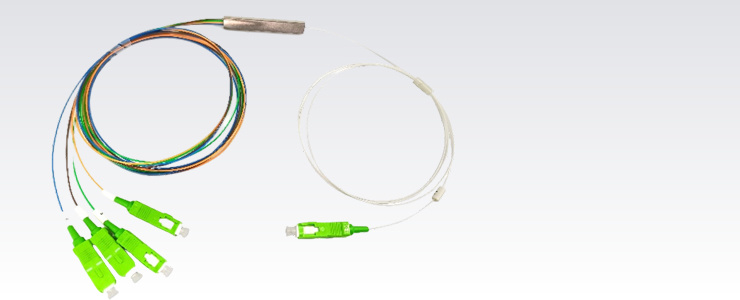
Understanding the Specifications of Fiber Optic Splitters
Table of Contents
1. Introduction to Fiber Optic Splitters
2. Defining Fiber Optic Splitters
3. Types of Fiber Optic Splitters
3.1 Passive Fiber Optic Splitters
3.2 Active Fiber Optic Splitters
4. Key Specifications of Fiber Optic Splitters
4.1 Splitting Ratio
4.2 Fiber Type
4.3 Insertion Loss
4.4 Wavelength
4.5 Return Loss
4.6 Environmental Conditions
5. How to Choose the Right Fiber Optic Splitter
6. Applications of Fiber Optic Splitters in Networking
7. Maintenance and Troubleshooting Tips
8. Frequently Asked Questions (FAQs)
9. Conclusion
1. Introduction to Fiber Optic Splitters
Fiber optic splitters are fundamental components in modern telecommunications and networking systems. They allow the division of a single optical signal into multiple outputs, which is crucial for efficient data distribution. Understanding the specifications and functionalities of these splitters is essential for anyone involved in the electrical and fiber optics industry.
2. Defining Fiber Optic Splitters
At their core, fiber optic splitters are passive optical devices that route light signals from one or more fiber optic cables to multiple output fibers. They play a vital role in fiber distribution networks, enabling service providers to connect multiple users to a single fiber line, thereby optimizing network resources.
3. Types of Fiber Optic Splitters
Fiber optic splitters come in two main types: passive and active splitters. Understanding the distinctions between these types helps in selecting the appropriate device for specific applications.
3.1 Passive Fiber Optic Splitters
Passive splitters, as the name suggests, do not require an external power source. They function by using a simple optical element to divide the light signal. Passive splitters are commonly used in passive optical networks (PONs) and are favored for their reliability and low maintenance.
3.2 Active Fiber Optic Splitters
Active splitters, in contrast, utilize electronic components to amplify the optical signal before splitting it. This type of splitter is ideal for long-distance applications where signal strength might diminish, as it ensures that the output signals maintain optimal quality.
4. Key Specifications of Fiber Optic Splitters
When selecting a fiber optic splitter, several specifications are crucial to consider. Understanding these specifications ensures that the splitter meets the requirements of any specific application.
4.1 Splitting Ratio
The splitting ratio represents the distribution of light from one input to multiple outputs. Common configurations include 1:2, 1:4, 1:8, and 1:16, with each indicating how many output fibers can be connected to a single input. For instance, a 1:4 splitter takes one input and distributes it among four outputs, making it essential for scenarios where multiple users need to share a single fiber optic line.
4.2 Fiber Type
Fiber optic splitters are designed to work with specific types of fibers, such as single-mode or multi-mode fibers. Single-mode fibers are used for long-distance applications due to their low signal loss, while multi-mode fibers are typically used for shorter distances. Ensuring compatibility between the splitter and fiber type is fundamental in maintaining signal integrity.
4.3 Insertion Loss
Insertion loss refers to the reduction in signal strength that occurs when the signal passes through the splitter. It is measured in decibels (dB) and is a critical factor in determining the overall efficiency of the fiber optic system. A lower insertion loss indicates better performance and is preferable for high-quality signal transmission.
4.4 Wavelength
Different fiber optic splitters are optimized for specific wavelengths of light, commonly 1310 nm or 1550 nm in telecommunications. Selecting a splitter that matches the operational wavelength of the system is essential for achieving optimal performance and minimizing signal degradation.
4.5 Return Loss
Return loss measures the amount of light that is reflected back towards the source due to mismatched impedance or imperfections in the splitter. A higher return loss value indicates better performance, as it signifies less signal reflection and more efficient transmission.
4.6 Environmental Conditions
Fiber optic splitters must be capable of operating effectively in various environmental conditions. Factors such as temperature, humidity, and exposure to pollutants can affect the performance and longevity of the splitter. It is crucial to choose a splitter that meets the environmental specifications required for the installation location.
5. How to Choose the Right Fiber Optic Splitter
Selecting the appropriate fiber optic splitter involves considering several factors. Here are some key points to guide your decision:
1. Understand Your Network Requirements: Assess the number of connections needed and the type of fiber you are using.
2. Evaluate Insertion Loss: Aim for splitters with lower insertion loss for higher efficiency.
3. Consider Future Expansion: If you anticipate growth, choose a splitter that allows for additional outputs.
4. Match the Wavelength: Ensure that the splitter operates at the same wavelength as the system design.
5. Environmental Compatibility: Select splitters rated for the environmental conditions they will face.
6. Applications of Fiber Optic Splitters in Networking
Fiber optic splitters are widely used in various applications, enhancing the capabilities of modern communication systems. Some key applications include:
– Telecommunications: In broadband networks, splitters enable multiple users to share a single fiber line, maximizing resource efficiency.
– Data Centers: Splitters help in distributing data across multiple servers, improving connectivity and performance.
– Cable Television: Fiber optic splitters are utilized in the distribution of high-definition signals to multiple locations.
– Security Systems: They are employed in fiber optic surveillance systems, allowing for extensive area coverage without signal loss.
7. Maintenance and Troubleshooting Tips
To ensure the longevity and effectiveness of fiber optic splitters, regular maintenance is essential. Here are some tips:
– Inspect Connections: Regularly check and clean fiber connections to prevent dust buildup, which can lead to signal loss.
– Monitor Performance: Use optical power meters to monitor signal strength and identify any issues early on.
– Address Environmental Factors: Ensure that splitters are housed in conditions that meet their operational specifications to prevent damage.
8. Frequently Asked Questions (FAQs)
What is a fiber optic splitter?
A fiber optic splitter is a device that divides an optical signal from one input fiber into multiple output fibers, facilitating the distribution of data in telecommunications.
How do I calculate the splitting ratio needed for my application?
To calculate the required splitting ratio, assess the number of users or devices that will share the signal and choose a splitter that matches or exceeds that number.
What are the differences between passive and active splitters?
Passive splitters do not require external power and are used in simpler networks, while active splitters amplify the signal and are suitable for longer distances.
How does insertion loss affect my network?
Higher insertion loss can lead to weaker signals, resulting in decreased performance and potential connectivity issues. Selecting splitters with low insertion loss is essential for maintaining a robust network.
Can I use a splitter designed for single-mode fibers with multi-mode fibers?
No, using a splitter designed for a specific fiber type with the other can lead to significant signal loss and degradation. It is important to match the splitter to the fiber type being used.
9. Conclusion
Understanding the specifications of fiber optic splitters is crucial for anyone engaged in the field of telecommunications and networking. By familiarizing yourself with their types, key specifications, and application scenarios, you can make informed decisions that enhance network performance and reliability. Choosing the right fiber optic splitter not only optimizes your system but also ensures that you are equipped to handle the demands of modern communication technologies. Proper maintenance further guarantees the longevity and efficiency of these essential devices, making them a pivotal component in any fiber optic infrastructure.
We are here for you
 Contact with us







ZEN KABEL
GUIFANGQIAO INDUSTRIAL ZONE, LIN'AN DISTRICT, HANGZHOU CITY, ZHEJIANG PROVINCE, CHINA. 311312
© 2026 HANGZHOU ZENKABEL TECHNOLOGY CO., LTD | Powered by HANGZHOU