


The Ultimate Guide to Choosing the Right Cable Connector for Your Project
The Ultimate Guide to Choosing the Right Cable Connector for Your Project
Table of Contents
1. Understanding Cable Connectors: Types and Functions
2. Key Factors to Consider When Choosing Cable Connectors
3. Types of Cable Connectors: A Detailed Overview
3.1. Circular Connectors
3.2. Rectangular Connectors
3.3. USB Connectors
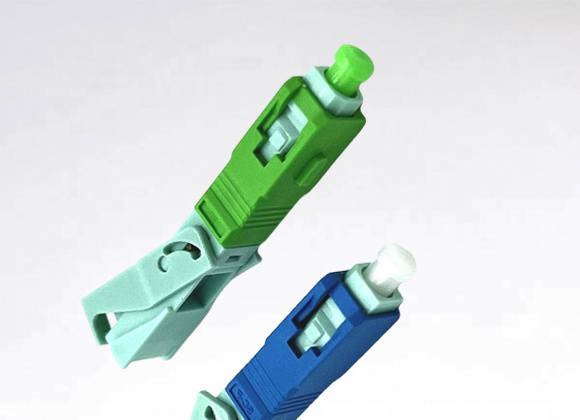
3.4. Fiber Optic Connectors
3.5. Specialty Connectors
4. Cable Connector Specifications: A Closer Look
5. Best Practices for Installing Cable Connectors
6. Common Mistakes to Avoid When Selecting Cable Connectors
7. FAQs About Cable Connectors
8. Conclusion: Making the Right Choice for Your Project
1. Understanding Cable Connectors: Types and Functions
Cable connectors are vital components in any electrical project, serving as the bridge between different cables and ensuring seamless connectivity. They allow for the transmission of power and data between devices, making them essential in various applications, from residential wiring to industrial automation. Understanding the different types of connectors and their functions is the first step in choosing the right one for your project.
2. Key Factors to Consider When Choosing Cable Connectors
When selecting cable connectors, several factors should influence your decision. Here are the key considerations:
– Application Requirements: Different projects have unique demands, whether it's for data transmission, power supply, or signal processing. Assess the specific requirements of your application.
– Connector Type: Depending on the application, different types of connectors may be more suitable. Choose connectors that align with your project’s needs.
– Environmental Conditions: Consider factors like temperature, humidity, and exposure to chemicals. Certain connectors are designed to withstand harsh environments.
– Compatibility: Ensure that the connectors you select are compatible with the cables and devices in your project to avoid connectivity issues.
– Durability and Reliability: Look for connectors that offer robust construction and reliable performance to minimize maintenance and replacement costs.
3. Types of Cable Connectors: A Detailed Overview
Choosing the right type of cable connector can significantly impact the performance of your project. Here’s an overview of some common types:
3.1. Circular Connectors
Circular connectors are popular in industrial applications due to their durability and ease of use. They come in various configurations, including three-pin, five-pin, and more, allowing for multiple connections in a compact design.
3.2. Rectangular Connectors
Rectangular connectors are often used in data connections and are available in a variety of pin configurations. They provide a secure connection and are well-suited for applications requiring higher pin counts.
3.3. USB Connectors
USB connectors are ubiquitous in consumer electronics and are essential for data transfer and power supply. Understanding the different types of USB connectors, such as USB-A, USB-B, and USB-C, will help you select the right one for your needs.
3.4. Fiber Optic Connectors
For high-speed data transmission, fiber optic connectors are indispensable. They enable fast and reliable communication over long distances, making them ideal for telecommunications and networking applications.
3.5. Specialty Connectors
Specialty connectors are designed for specific applications, such as automotive or aerospace. These connectors often have unique features that enhance performance in their respective environments.
4. Cable Connector Specifications: A Closer Look
Understanding connector specifications is crucial for ensuring compatibility and performance. Key specifications include:
– Current Rating: Indicates the maximum current the connector can handle without overheating.
– Voltage Rating: Specifies the maximum voltage the connector can safely manage.
– Temperature Rating: Indicates the operational temperature range for the connector.
– Ingress Protection (IP) Rating: Determines the connector's resistance to dust and water, crucial for outdoor or harsh environments.
– Material Composition: The materials used in connectors can affect conductivity and durability. Common materials include gold-plated contacts for enhanced connectivity.
5. Best Practices for Installing Cable Connectors
Proper installation is key to ensuring the longevity and reliability of cable connectors. Here are some best practices:
– Follow Manufacturer Guidelines: Always refer to the manufacturer’s instructions for the specific connector you are using.
– Use Proper Tools: Employ the right tools and techniques to avoid damaging the connectors during installation.
– Ensure Clean Connections: Clean both the connector and the cable ends to prevent corrosion and ensure a solid connection.
– Test Connections: After installation, test the connections to confirm they are functioning correctly before finalizing the project.
6. Common Mistakes to Avoid When Selecting Cable Connectors
Avoiding pitfalls in the selection process can save time and resources. Common mistakes include:
– Ignoring Environmental Factors: Failing to consider the operating environment can lead to premature failure of connectors.
– Overlooking Compatibility: Not verifying compatibility with existing equipment can result in connectivity issues.
– Choosing Based on Price Alone: While budget is important, selecting cheap connectors may compromise quality and reliability.
– Underestimating Installation Challenges: Not accounting for installation complexity can lead to costly delays and rework.
7. FAQs About Cable Connectors
Q1: What is the most common type of cable connector?
A1: The most common types of cable connectors are USB connectors, particularly USB-A and USB-C, used widely in consumer electronics.
Q2: How do I know which cable connector to choose?
A2: Assess your project’s requirements, including the type of data or power you need to transmit, environmental conditions, and compatibility with existing devices.
Q3: Can I use any connector for my project?
A3: No, not all connectors are interchangeable. Using the wrong connector can lead to connectivity issues or even damage to your equipment.
Q4: What are the benefits of using high-quality connectors?
A4: High-quality connectors offer better durability, reliability, and performance, reducing maintenance needs and improving overall system efficiency.
Q5: How can I ensure a secure connection?
A5: Proper installation techniques, including ensuring clean connectors and tight fittings, play a vital role in achieving secure connections.
8. Conclusion: Making the Right Choice for Your Project
Selecting the right cable connector is a critical step in ensuring the success of your electrical project. By understanding the different types of connectors, considering key factors, and following best practices for installation, you can enhance the performance and reliability of your connections. Whether you're working on a small home project or a large industrial installation, making informed choices will lead to long-lasting results. Remember to stay updated with the latest advancements in connector technology to ensure you always have the best solutions for your needs.
We are here for you
 Contact with us







ZEN KABEL
GUIFANGQIAO INDUSTRIAL ZONE, LIN'AN DISTRICT, HANGZHOU CITY, ZHEJIANG PROVINCE, CHINA. 311312
© 2026 HANGZHOU ZENKABEL TECHNOLOGY CO., LTD | Powered by HANGZHOU