


Top Applications of Control Cables in Modern Electrical Systems
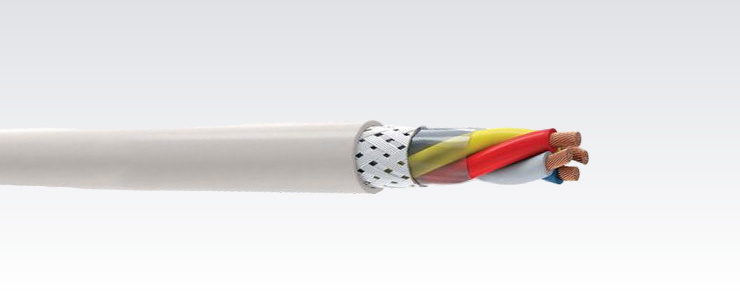
Top Applications of Control Cables in Modern Electrical Systems
Introduction to Control Cables
Control cables are essential components in the modern electrical landscape, serving as the backbone for various applications that require precise signal transmission and control. These cables are specifically designed to carry control signals in automated systems, ensuring that machinery and equipment respond accurately and efficiently. As we delve into the top applications of control cables, we’ll explore their significance in numerous industries and the technological advancements that have made them indispensable.
The Importance of Control Cables in Electrical Systems
Control cables facilitate communication between different components in electrical systems, acting as conduits for control signals that ensure operational integrity. Their robust construction and insulation properties make them suitable for various environments, leading to increased safety and reliability. In modern electrical systems, control cables perform critical functions, including:
– Transmitting control signals
– Supporting automation processes
– Enhancing system efficiency
– Reducing downtime caused by electrical faults
1. Automation and Industrial Control Systems
Control cables play a pivotal role in automation and industrial control systems. In manufacturing environments, these cables connect sensors, actuators, and control panels, enabling real-time data transmission and device control. The use of control cables in automation enhances operational efficiency, reduces human intervention, and minimizes the likelihood of errors.
1.1 Application in Robotics
In robotics, control cables are essential for connecting the various components of robotic systems. They transmit signals that control movement, sensors, and feedback mechanisms, allowing robots to perform complex tasks with precision. The reliability and responsiveness of control cables directly impact the performance of robotic applications.
1.2 Application in Process Automation
In process automation, control cables are used to connect field devices such as valves, pumps, and transmitters to control systems. This connectivity is crucial for the seamless operation of industrial processes, ensuring that changes in the system environment are communicated instantaneously to maintain optimal conditions.
2. Telecommunications and Data Transmission
Control cables are also widely used in telecommunications, where they are integral to data transmission systems. These cables facilitate the transfer of signals between communication devices, ensuring that information is accurately conveyed over long distances.
2.1 Role in Networking
In networking applications, control cables are utilized to connect routers, switches, and other networking hardware. Their ability to transmit data reliably and efficiently is essential for maintaining connectivity within local and wide-area networks. This ensures that businesses can operate seamlessly in an increasingly digital world.
2.2 Application in Fiber Optic Systems
While fiber optic cables are known for high-speed data transmission, control cables still play a significant role in these systems. They are used for monitoring and controlling the operational components of fiber optic networks, ensuring that data flows smoothly and without interruption.
3. Building and Construction Applications
In the building and construction industry, control cables are crucial for various systems, including lighting, heating, and security. Their versatility allows them to be deployed in multiple applications within both residential and commercial buildings.
3.1 Smart Building Technologies
Control cables are integral to smart building technologies, connecting various sensors and devices that enhance energy efficiency and occupant comfort. These cables facilitate the communication between smart thermostats, lighting systems, and security devices, creating a cohesive and intelligent building management system.
3.2 Application in Security Systems
In security systems, control cables are used to connect surveillance cameras, alarm systems, and access control devices. The reliability of these cables is paramount, as they ensure that critical security information is transmitted without delay, providing peace of mind to property owners.
4. Energy and Power Distribution
Control cables are essential in energy and power distribution systems, where they are used to manage and control electrical flow. Their applications in this sector are vital for ensuring safety and efficiency.
4.1 Role in Power Plants
In power plants, control cables are used to connect various equipment, including generators, transformers, and control systems. These cables help monitor and control the production and distribution of electricity, ensuring that power generation operates smoothly and safely.
4.2 Application in Renewable Energy Systems
With the rise of renewable energy sources, control cables are increasingly used in solar and wind energy systems. They facilitate communication between different components, such as inverters and batteries, ensuring efficient energy management and distribution.
5. Transportation and Automotive Industry
Control cables are utilized in the transportation and automotive sectors for various applications, from vehicle control systems to railway signaling.
5.1 Application in Vehicles
In modern vehicles, control cables connect various systems, including braking, steering, and transmission. Their reliability is crucial for ensuring vehicle safety and performance, as they transmit signals that control critical functions.
5.2 Role in Railway Systems
In railway systems, control cables are used for signaling and communication between trains and control centers. They help maintain safety and efficiency in train operations by ensuring that signals are transmitted accurately and promptly.
6. Healthcare Applications
In the healthcare industry, control cables are vital for medical devices and equipment that require precise control and monitoring.
6.1 Application in Medical Equipment
Control cables are used in medical equipment such as MRI machines, ultrasound devices, and patient monitoring systems. They facilitate communication between components, ensuring that devices operate correctly and provide accurate information to healthcare professionals.
6.2 Role in Hospital Automation
In hospitals, control cables are used in automation systems that manage lighting, HVAC, and security. These applications enhance operational efficiency and improve patient experience by creating a comfortable and secure environment.
7. Agriculture and Farming Technology
Control cables are increasingly being used in agriculture and farming technology, where they help automate various processes for improved efficiency.
7.1 Application in Irrigation Systems
In modern irrigation systems, control cables are used to connect sensors and control valves, enabling automated watering based on soil moisture levels. This technology ensures that crops receive the right amount of water, resulting in better yields and resource conservation.
7.2 Role in Precision Farming
Control cables are also integral to precision farming technologies, where they connect GPS systems and agricultural machinery. This connectivity allows for more accurate planting, fertilizing, and harvesting, ultimately enhancing productivity and sustainability.
8. Conclusion
Control cables are indispensable in modern electrical systems, playing critical roles across various industries. Their applications in automation, telecommunications, energy distribution, transportation, healthcare, and agriculture highlight their versatility and importance. As technology continues to evolve, the demand for reliable and efficient control cables will only increase, fostering further innovation and development in electrical systems. By understanding their applications, we can appreciate the profound impact control cables have on enhancing efficiency, safety, and reliability in our increasingly interconnected world.
FAQs
1. What are control cables used for?
Control cables are primarily used to transmit control signals in automated systems, connecting various devices and components to ensure proper functionality and communication.
2. How do control cables differ from power cables?
Control cables are designed for signal transmission, while power cables are meant for supplying electrical power. Control cables typically have lower voltage ratings compared to power cables.
3. Are control cables suitable for outdoor use?
Yes, many control cables are designed to withstand outdoor conditions. They often come with protective coatings and insulation to resist moisture, UV rays, and extreme temperatures.
4. What materials are commonly used in control cables?
Control cables are typically made from copper or aluminum conductors, insulated with materials like PVC, PE, or rubber, providing durability and protection against environmental factors.
5. Can control cables be used in hazardous environments?
Yes, specialized control cables are available for use in hazardous environments. These cables are designed to meet stringent safety standards and are often resistant to chemicals and extreme conditions.
We are here for you
 Contact with us







ZEN KABEL
GUIFANGQIAO INDUSTRIAL ZONE, LIN'AN DISTRICT, HANGZHOU CITY, ZHEJIANG PROVINCE, CHINA. 311312
© 2026 HANGZHOU ZENKABEL TECHNOLOGY CO., LTD | Powered by HANGZHOU