


Understanding Control Cables: Essential Insights for Electrical Applications
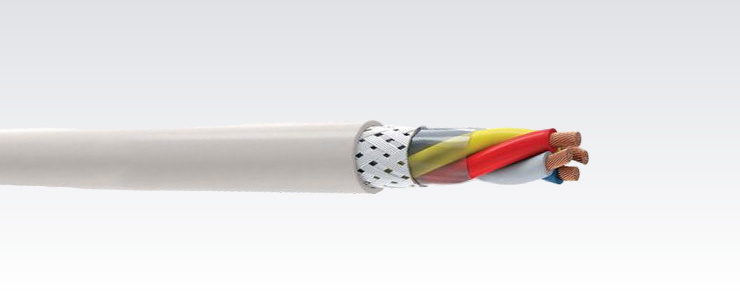
Control cables are an essential component in various electrical applications, serving as conduits for transmitting signals and controlling machinery or processes. These cables are designed to manage and control electrical signals while providing protection against electromagnetic interference and environmental factors. Understanding control cables is crucial for ensuring optimal performance in electrical systems.
Control cables come in different types, each tailored to specific applications. The most common types include multi-core cables, which contain several conductors bundled together, allowing for the control of multiple circuits within a single cable. Shielded control cables are another popular choice, designed to minimize interference from external electromagnetic fields, making them ideal for sensitive applications in industrial environments.
One of the primary applications of control cables is in automation systems. In factories and manufacturing plants, control cables connect sensors, actuators, and controllers, enabling seamless communication between different components. This connectivity is vital for enhancing process efficiency and ensuring that machinery operates smoothly. Additionally, control cables are widely used in HVAC systems, where they facilitate the operation of thermostats and other control devices.
The construction of control cables typically includes several layers that provide insulation, shielding, and protection. The inner conductors are insulated to prevent short circuits and protect against voltage fluctuations. The outer layers serve as shields against electromagnetic interference, ensuring that the signals transmitted remain clear and accurate. This construction is essential in maintaining the integrity of the control signals, particularly in environments with high levels of electrical noise.
When selecting control cables for a specific application, several factors must be considered. The operating environment is crucial; for example, cables used in outdoor settings may require additional UV protection and moisture resistance. Temperature ratings are also important, as cables must withstand the thermal conditions of their operating environment without degrading performance. Furthermore, the flexibility of the cable is essential in applications where movement is involved, ensuring that the cable can bend without damage.
In summary, control cables are integral to the functionality and efficiency of electrical systems. By understanding their types, applications, and construction, individuals and organizations can make informed decisions when it comes to selecting the right control cables for their needs. Whether used in industrial automation, HVAC systems, or other applications, control cables play a fundamental role in ensuring that electrical systems operate effectively and reliably.
We are here for you
 Contact with us







ZEN KABEL
GUIFANGQIAO INDUSTRIAL ZONE, LIN'AN DISTRICT, HANGZHOU CITY, ZHEJIANG PROVINCE, CHINA. 311312
© 2026 HANGZHOU ZENKABEL TECHNOLOGY CO., LTD | Powered by HANGZHOU