


How CAT7A Ethernet Cables Can Future-Proof Your Network
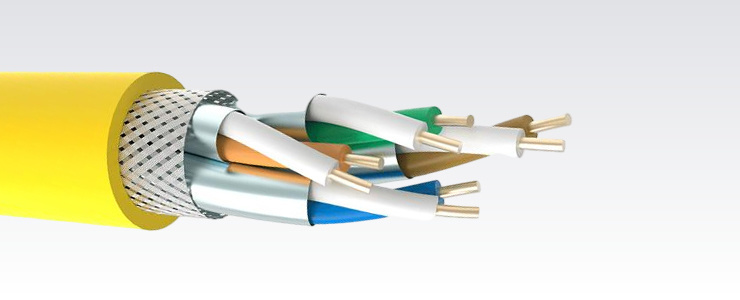
How CAT7A Ethernet Cables Can Future-Proof Your Network
Table of Contents
1. What is a CAT7A Ethernet Cable?
2. Advantages of CAT7A Ethernet Cables
3. Differences Between CAT7 and CAT7A
4. Why Future-Proof Your Network?
5. Installation of CAT7A Ethernet Cables
6. Common Uses of CAT7A Ethernet Cables
7. Maintaining Your CAT7A Network
8. FAQs About CAT7A Ethernet Cables
1. What is a CAT7A Ethernet Cable?
The CAT7A Ethernet cable is a high-performance networking cable designed to support data transfer speeds of up to 10 gigabits per second (Gbps) over distances of up to 100 meters. This cable is an enhancement over its predecessors, boasting improved shielding and reduced crosstalk, making it a robust choice for modern networking environments.
2. Advantages of CAT7A Ethernet Cables
CAT7A cables offer numerous advantages that make them ideal for future-proofing your network:
2.1 Superior Speed and Bandwidth
With capabilities of handling up to 1,000 MHz of bandwidth, CAT7A cables ensure that your network can support high data rates, which is essential for applications like 4K streaming, gaming, and big data transfers.
2.2 Enhanced Shielding
These cables feature an improved shielding design that minimizes electromagnetic interference (EMI) and crosstalk between the pairs, ensuring stable connections even in environments with extensive electronic noise.
2.3 Long-term Investment
By investing in CAT7A cables now, you can avoid the need for frequent upgrades, as they are designed to meet the demands of future technologies and applications.
3. Differences Between CAT7 and CAT7A
While both CAT7 and CAT7A cables are designed for high-speed data transmission, there are key differences:
3.1 Bandwidth
CAT7 supports bandwidths of up to 600 MHz, while CAT7A increases this to 1,000 MHz, making CAT7A more suited for extensive networking needs.
3.2 Performance
CAT7A cables typically offer better performance in terms of crosstalk and attenuation, making them a superior choice for demanding applications.
4. Why Future-Proof Your Network?
Future-proofing your network involves selecting technology that can accommodate evolving requirements.
4.1 Evolving Technologies
As technology advances, the demand for higher bandwidth and faster data transmission is inevitable. CAT7A cables provide the necessary infrastructure to support these advancements without requiring frequent upgrades.
4.2 Increased Data Consumption
With the rise of smart devices, IoT, and cloud computing, the amount of data consumed is skyrocketing. CAT7A cables ensure that your network can handle this increased load efficiently.
5. Installation of CAT7A Ethernet Cables
Proper installation is crucial to maximize the performance of CAT7A cables.
5.1 Tools Required
You will need a cable tester, wire stripper, and crimping tool to install CAT7A cables effectively.
5.2 Best Practices
Ensure that cables are not bent at sharp angles, avoid running them parallel to electrical cables, and maintain proper grounding to minimize interference.
6. Common Uses of CAT7A Ethernet Cables
CAT7A cables are versatile and can be used in various applications:
6.1 Home Networking
Ideal for gaming consoles, streaming devices, and smart home systems, providing reliable connectivity.
6.2 Data Centers
In data centers, CAT7A cables support high-speed connections between servers and switches.
6.3 Commercial Applications
Businesses can utilize CAT7A cables for secure and swift connections in offices, enhancing overall productivity.
7. Maintaining Your CAT7A Network
Regular maintenance ensures that your network remains efficient.
7.1 Regular Testing
Conduct periodic tests using a cable tester to identify any performance issues early.
7.2 Cable Management
Use cable ties and management systems to keep your cables organized, which helps prevent damage and interference.
8. FAQs About CAT7A Ethernet Cables
8.1 What is the maximum length for CAT7A cables?
The maximum length for a CAT7A cable run is typically 100 meters for optimal performance.
8.2 Are CAT7A cables backward compatible?
Yes, CAT7A cables are backward compatible with earlier Ethernet standards like CAT6 and CAT5e, making them a flexible choice.
8.3 Can I use CAT7A cables for PoE applications?
Absolutely! CAT7A cables can support Power over Ethernet (PoE), allowing you to power devices such as IP cameras and access points over the same cable.
8.4 How do CAT7A cables compare in price to CAT6 and CAT7?
CAT7A cables are typically more expensive than both CAT6 and CAT7 due to their enhanced specifications and capabilities.
8.5 Where can I purchase CAT7A Ethernet cables?
CAT7A cables can be found at most electronics retailers, online marketplaces, and specialized networking supply stores.
Conclusion
In conclusion, CAT7A Ethernet cables represent a significant advancement in networking technology. Their superior speed, bandwidth, and shielding capabilities make them an excellent choice for anyone looking to future-proof their network. Whether for home, commercial, or data center applications, investing in CAT7A cables is a smart move that will pay off in enhanced performance and reliability. By understanding the benefits, installation, and maintenance practices, you can ensure that your network meets today's and tomorrow's demands.
We are here for you
 Contact with us







ZEN KABEL
GUIFANGQIAO INDUSTRIAL ZONE, LIN'AN DISTRICT, HANGZHOU CITY, ZHEJIANG PROVINCE, CHINA. 311312
© 2026 HANGZHOU ZENKABEL TECHNOLOGY CO., LTD | Powered by HANGZHOU