


Unlocking Efficiency: How Cable Connectors Transform Electrical Systems
Unlocking Efficiency: How Cable Connectors Transform Electrical Systems
Table of Contents
1. Introduction to Cable Connectors and Their Importance
2. Types of Cable Connectors: A Comprehensive Overview
3. Applications of Cable Connectors in Various Industries
4. The Benefits of Using Cable Connectors in Electrical Systems
5. How to Choose the Right Cable Connector for Your Needs
6. Installation and Maintenance of Cable Connectors
7. Technological Advancements in Cable Connectors
8. The Future of Cable Connectors in Electrical Systems
9. Frequently Asked Questions
10. Conclusion: The Transformative Power of Cable Connectors
1. Introduction to Cable Connectors and Their Importance
Cable connectors serve as the backbone of electrical systems, facilitating seamless connectivity between various components. They play a crucial role in ensuring efficient power transmission and signal integrity. As technology evolves, the demand for reliable and efficient electrical systems has surged, highlighting the importance of high-quality cable connectors. This article explores the transformative impact of cable connectors in enhancing the performance and reliability of electrical systems across various industries.
2. Types of Cable Connectors: A Comprehensive Overview
Cable connectors come in numerous forms, each designed to meet specific requirements. Understanding these different types is vital for optimizing electrical systems. Here’s a closer look at some of the most common types of cable connectors:
2.1. Circular Connectors
Circular connectors, often used in high-reliability applications, feature a round design with pins arranged in a circular pattern. These connectors are known for their durability and are commonly found in aerospace and military applications.
2.2. Rectangular Connectors
Rectangular connectors offer a larger contact area and are typically used in power distribution and industrial applications. They are available in various pin configurations and can handle higher current loads.
2.3. Coaxial Connectors
Primarily used for high-frequency applications, coaxial connectors maintain signal integrity by shielding the inner conductor from external interference. They are widely used in telecommunications and broadcasting.
2.4. USB Connectors
Universal Serial Bus (USB) connectors are ubiquitous in consumer electronics, facilitating both data transfer and power delivery. Their versatility and ease of use make them popular in various devices.
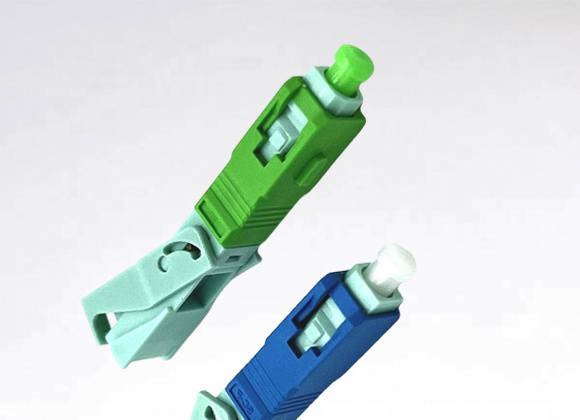
2.5. Fiber Optic Connectors
These connectors are essential for fiber optic cables, allowing high-speed data transmission over long distances. They are crucial in telecommunications, internet infrastructure, and data centers.
3. Applications of Cable Connectors in Various Industries
Cable connectors find their applications in diverse fields, each requiring specific functionalities and reliability.
3.1. Automotive Industry
In the automotive industry, cable connectors are vital for connecting electrical systems within vehicles. They ensure reliable operation of lighting, infotainment systems, and safety features.
3.2. Telecommunications
Telecommunications rely heavily on cable connectors for transmitting data over networks. High-performance connectors are essential for maintaining signal quality in broadband and telephony systems.
3.3. Industrial Automation
In industrial settings, cable connectors enable communication between machinery and control systems. Robust connectors are essential for ensuring minimal downtime and maximum efficiency.
3.4. Consumer Electronics
From smartphones to gaming consoles, cable connectors are integral to consumer electronics. Their design and functionality directly impact the user experience.
3.5. Medical Devices
In the medical field, reliable cable connectors are crucial for ensuring the safety and effectiveness of devices. They must adhere to strict regulations to maintain operational integrity.
4. The Benefits of Using Cable Connectors in Electrical Systems
The advantages of utilizing high-quality cable connectors are numerous, significantly influencing the overall performance of electrical systems.
4.1. Enhanced Durability
Cable connectors are designed to withstand harsh environments, providing longer service life and reducing maintenance costs. Their robust construction ensures reliability under various conditions.
4.2. Improved Signal Quality
Quality connectors minimize signal loss and interference, ensuring that data and power transmission remain efficient. This is particularly important in high-frequency and data-sensitive applications.
4.3. Simplified Installation
Many modern cable connectors feature user-friendly designs that facilitate quick installation and replacement. This reduces downtime and allows for efficient system upgrades.
4.4. Versatility
With a wide range of types and configurations, cable connectors can be tailored to meet the specific needs of various applications, enhancing system functionality.
5. How to Choose the Right Cable Connector for Your Needs
Selecting the appropriate cable connector is crucial for ensuring optimal performance. Here are some key considerations:
5.1. Application Requirements
Assess the specific requirements of your application, including environmental factors, current load, and data transmission needs.
5.2. Connector Type
Choose a connector type that best suits your application, whether it be circular, rectangular, or fiber optic. Each type has its unique advantages and suitability.
5.3. Compatibility
Ensure that the connector is compatible with the cables and devices it will be used with, checking specifications for pin configurations and materials.
5.4. Quality Standards
Opt for connectors that comply with industry standards and certifications, ensuring reliability and safety.
6. Installation and Maintenance of Cable Connectors
Proper installation and maintenance are vital for maximizing the lifespan and performance of cable connectors.
6.1. Installation Best Practices
Follow manufacturer guidelines to ensure correct installation. Proper torque and alignment can prevent future connectivity issues.
6.2. Regular Inspections
Conduct routine inspections to check for signs of wear or damage. Early detection can prevent costly repairs and downtime.
6.3. Cleaning
Keep connectors clean and free from contaminants. Use appropriate cleaning methods to avoid damage, especially for sensitive connectors like fiber optics.
7. Technological Advancements in Cable Connectors
The field of cable connectors is continually evolving, with advancements that enhance performance and functionality.
7.1. Smart Connectors
Emerging smart connectors integrate sensors and communication capabilities, allowing for real-time monitoring and diagnostics of electrical systems.
7.2. Miniaturization
Miniaturized connectors are becoming more prevalent, particularly in consumer electronics, enabling more compact device designs without compromising on performance.
7.3. Enhanced Materials
Advancements in materials science have led to the development of connectors that are lighter, more durable, and capable of withstanding extreme conditions.
8. The Future of Cable Connectors in Electrical Systems
As technology continues to advance, the future of cable connectors looks promising. The push for greater efficiency, reliability, and sustainability will drive innovations in connector design and functionality.
8.1. Sustainability Initiatives
The industry is increasingly focusing on sustainable materials and manufacturing processes to reduce environmental impact while maintaining performance.
8.2. Increased Automation
As automation becomes more prevalent, the demand for advanced cable connectors that can support automated systems and IoT devices will continue to grow.
9. Frequently Asked Questions
9.1. What are the main functions of cable connectors?
Cable connectors facilitate the transmission of power and signals between different electrical components, ensuring efficient connectivity in various applications.
9.2. How do I determine the right cable connector for my project?
Assess your application’s specific requirements, including environmental conditions and electrical specifications, to select the most suitable connector type.
9.3. Can I use different brands of connectors together?
While some connectors are designed to be universally compatible, it is generally best to use connectors from the same brand to ensure optimal performance and reliability.
9.4. How often should cable connectors be inspected?
Regular inspections should be conducted at least once a year, with more frequent checks in environments prone to wear and tear.
9.5. What advancements are being made in cable connector technology?
Current advancements include the development of smart connectors, miniaturization for compact devices, and the use of innovative materials for increased durability and performance.
10. Conclusion: The Transformative Power of Cable Connectors
Cable connectors are more than mere components; they are critical elements that enhance the efficiency, reliability, and performance of electrical systems. By understanding the various types, applications, and benefits of cable connectors, industries can make informed decisions that lead to improved functionality and operational success. As technology continues to evolve, the role of cable connectors will only become more significant, driving innovations that unlock new capabilities and efficiencies in electrical systems worldwide.
We are here for you
 Contact with us







ZEN KABEL
GUIFANGQIAO INDUSTRIAL ZONE, LIN'AN DISTRICT, HANGZHOU CITY, ZHEJIANG PROVINCE, CHINA. 311312
© 2026 HANGZHOU ZENKABEL TECHNOLOGY CO., LTD | Powered by HANGZHOU