


Understanding Control Cables: A Comprehensive Guide to Electrical Wiring
Understanding Control Cables: A Comprehensive Guide to Electrical Wiring
Table of Contents
1. Introduction to Control Cables
2. Types of Control Cables
2.1 Shielded Control Cables
2.2 Unshielded Control Cables
2.3 Multi-Core Control Cables
3. Applications of Control Cables
4. Installation Techniques for Control Cables
5. Maintenance and Troubleshooting
6. Safety Considerations When Working with Control Cables
7. Common Questions About Control Cables
8. Conclusion
1. Introduction to Control Cables
In the electrical engineering domain, control cables play a pivotal role in the operation of various devices and systems. They are specifically designed for transmitting signals and control voltages between electrical equipment. Understanding the function and specifications of control cables is essential for professionals involved in electrical installations, maintenance, and troubleshooting.
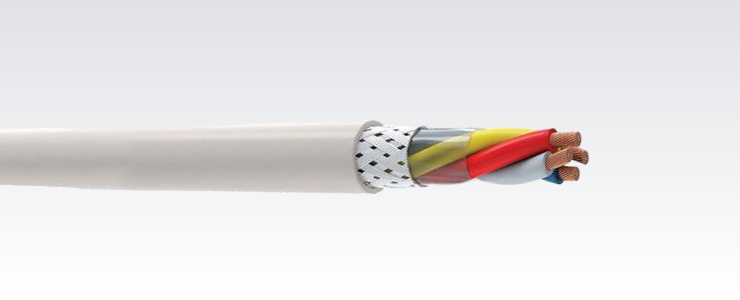
Control cables are often used to connect motors, sensors, and control panels, making them integral to automated systems. Their construction varies depending on the intended application, but they generally consist of multiple conductors, insulation, and, in some cases, shielding to protect against electromagnetic interference (EMI).
2. Types of Control Cables
Control cables come in several varieties, each suited for different applications and environments.
2.1 Shielded Control Cables
Shielded control cables are equipped with a protective layer that safeguards the conductors from external interference. This shielding is particularly important in environments with high levels of electrical noise, such as industrial settings. Shielded cables typically consist of twisted pairs or braided wires encased in a metallic layer, ensuring signal integrity and reliability.
2.2 Unshielded Control Cables
On the other hand, unshielded control cables lack this additional protective layer. They are generally used in less noisy environments where interference is minimal. Unshielded cables are often more cost-effective and flexible, making them suitable for applications that do not require stringent electromagnetic compatibility (EMC) standards.
2.3 Multi-Core Control Cables
Multi-core control cables consist of multiple conductors grouped together in a single sheath. This design simplifies installation and reduces the amount of space required for cabling. Multi-core cables can be shielded or unshielded and are widely used in complex systems where several signals need to be transmitted simultaneously.
3. Applications of Control Cables
Control cables are utilized in a broad range of applications. Understanding these applications helps in selecting the right type of cable for specific tasks.
– Industrial Automation: In manufacturing plants, control cables connect machinery, sensors, and control panels, enabling automated processes.
– Building Management Systems: Control cables facilitate communication between HVAC systems, lighting, and security systems in commercial buildings.
– Telecommunication: In telecommunication setups, control cables ensure effective data transmission between various devices and networks.
– Robotics: In robotics, these cables are essential for controlling motors and sensors, allowing for precise movements and feedback.
4. Installation Techniques for Control Cables
Proper installation of control cables is critical to ensure their performance and longevity. Here are some essential techniques to follow:
1. Planning the Route: Before installation, carefully plan the cable route, considering factors such as distance, potential interference sources, and accessibility.
2. Using Cable Trays: Whenever possible, use cable trays to support the cables. This helps in organizing the installation and provides protection from physical damage.
3. Maintaining Bend Radius: During installation, ensure that the bend radius of the cable is maintained according to the manufacturer's specifications. Excessive bending can damage the conductors.
4. Proper Termination: Ensure that each cable is properly terminated at both ends. Use appropriate connectors and follow the wiring diagrams to prevent signal loss or shorts.
5. Maintenance and Troubleshooting
Regular maintenance of control cables is vital to prevent unexpected failures. Here are some tips:
– Visual Inspections: Conduct periodic visual inspections of the cables for signs of wear, damage, or exposure to harsh conditions.
– Testing Resistance: Use a multimeter to test the resistance of the conductors. High resistance may indicate a problem.
– Monitoring Performance: Keep an eye on the performance of the systems connected via control cables. Any irregularities could signal an issue with the cable.
6. Safety Considerations When Working with Control Cables
Working with control cables involves certain safety risks. Adhering to safety practices is essential:
– De-energize Equipment: Always de-energize equipment before working on cables to prevent electric shock.
– Use Personal Protective Equipment (PPE): Wear appropriate PPE, including gloves and safety glasses, to protect against electrical hazards.
– Follow Local Regulations: Ensure that all installations comply with local electrical codes and standards.
7. Common Questions About Control Cables
What is the primary purpose of control cables?
Control cables are designed to transmit control signals between devices and systems, facilitating automation and communication.
How do I select the right control cable for my application?
Consider factors such as the environment (indoor vs. outdoor), required shielding, number of conductors needed, and the specific voltage and signal type.
Can I use control cables for power transmission?
Control cables are generally not suitable for power transmission; they are specifically designed for low-voltage control signals.
What are the consequences of using damaged control cables?
Using damaged cables can lead to signal loss, system failures, and potential safety hazards, such as electrical fires.
How can I extend the life of control cables?
To extend the life of control cables, ensure proper installation, regular maintenance checks, and use cables rated for the specific environmental conditions they will encounter.
8. Conclusion
Control cables are indispensable components in modern electrical systems, facilitating communication between devices and enabling automation. Understanding their types, applications, and proper installation is crucial for professionals in the electrical industry. By adhering to best practices for maintenance and safety, individuals can ensure the reliability and longevity of control cables. Investing time in mastering these aspects not only enhances operational efficiency but also contributes to safer electrical environments.
We are here for you
 Contact with us







ZEN KABEL
GUIFANGQIAO INDUSTRIAL ZONE, LIN'AN DISTRICT, HANGZHOU CITY, ZHEJIANG PROVINCE, CHINA. 311312
© 2026 HANGZHOU ZENKABEL TECHNOLOGY CO., LTD | Powered by HANGZHOU