


The Ultimate Guide to Outdoor Armoured Ethernet Cable: What You Need to Know
The Ultimate Guide to Outdoor Armoured Ethernet Cable: What You Need to Know
In an era where reliable internet connectivity is paramount, understanding the right types of cables for outdoor use is crucial. Outdoor armoured Ethernet cables are designed to withstand harsh environmental conditions while providing uninterrupted data transmission. This guide delves into everything you need to know about these cables, from their construction to installation tips, and common FAQs.
Table of Contents
What is an Outdoor Armoured Ethernet Cable?
Benefits of Using Armoured Cables
Types of Armoured Ethernet Cables
Installation Guide for Outdoor Armoured Cables
Maintaining Your Outdoor Armoured Ethernet Cable
Common Issues with Outdoor Cables
Frequently Asked Questions
Conclusion
What is an Outdoor Armoured Ethernet Cable?
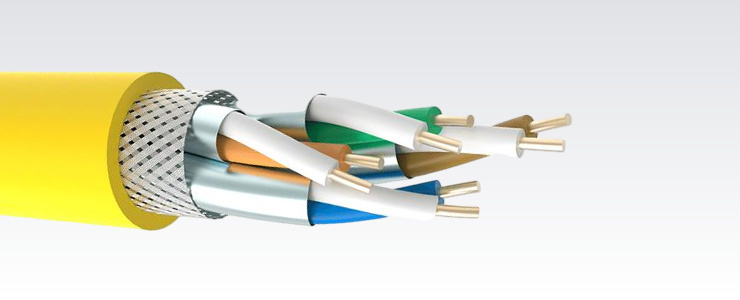
An outdoor armoured Ethernet cable is specifically designed for outdoor use, featuring additional protective layers that shield it from environmental hazards. These cables typically have a tough outer jacket made from materials such as PVC or LSZH (Low Smoke Zero Halogen) that prevent moisture ingress, UV damage, and physical stress. Inside, they contain twisted pairs of copper wires that ensure optimal data transmission rates, typically supporting speeds of up to 10 Gbps.
Understanding the Construction
The construction of armoured Ethernet cables involves several key components:
Inner Insulation: Protects the copper wires and minimizes signal interference.
Shielding: Provides additional protection against electromagnetic interference (EMI).
Armoured Layer: Made from materials like steel or aluminum, safeguarding the cable against physical damage.
Outer Jacket: The first line of defense against environmental elements like moisture, UV rays, and extreme temperatures.
Benefits of Using Armoured Cables
Choosing armoured Ethernet cables for outdoor applications comes with a plethora of benefits:
1. Enhanced Durability
Armoured cables are designed to withstand harsh weather conditions, including rain, snow, and extreme temperatures. Their robust construction minimizes the risk of damage from environmental factors.
2. Protection Against Pests
Rodents and other pests can cause significant damage to standard cables. The tough outer layer of armoured cables deters these creatures, ensuring the integrity of your network installation.
3. Superior Signal Integrity
With their shielding and twisted pair design, armoured Ethernet cables maintain excellent signal integrity, reducing the chances of data loss and ensuring stable connections.
4. Safety Compliance
Many armoured cables meet stringent safety standards for outdoor installations, making them ideal for commercial and residential applications.
Types of Armoured Ethernet Cables
When selecting an outdoor armoured Ethernet cable, it’s essential to understand the various types available:
1. Cat5e Armoured Ethernet Cable
Cat5e cables support data rates up to 1 Gbps and are suitable for most home and small business applications. Their armoured variant offers added protection against physical damage.
2. Cat6 Armoured Ethernet Cable
With support for data speeds up to 10 Gbps over short distances, Cat6 armoured cables are popular for high-speed internet connections and are often used in office settings.
3. Cat6a Armoured Ethernet Cable
Cat6a cables are designed for longer distances while maintaining high data rates. They are ideal for installations where performance and distance are critical.
4. Cat7 Armoured Ethernet Cable
Cat7 cables can support frequencies up to 600 MHz, making them excellent for high-bandwidth applications. The armoured version is perfect for outdoor installations that require additional durability.
Installation Guide for Outdoor Armoured Cables
Installing outdoor armoured Ethernet cables requires careful planning and execution. Here’s a step-by-step guide to ensure a successful installation:
1. Plan Your Route
Before starting the installation, plan the route for your cables. Avoid areas with excessive foot traffic or potential hazards that could damage the cables.
2. Choose the Right Tools
Gather the necessary tools, including a cable cutter, stripping tool, and connectors. Ensure that your tools are suitable for the type of armoured cable you are using.
3. Prepare the Cable
Carefully strip the outer jacket of the cable, exposing the inner wires without damaging them. Use caution when cutting through the armoured layer.
4. Connect the Cables
Attach the connectors to the stripped wires, ensuring proper alignment according to the T568A or T568B wiring standards. Secure the connections firmly.
5. Test the Installation
After connecting the cables, use a cable tester to ensure that there are no faults and that the connections are functioning correctly.
Maintaining Your Outdoor Armoured Ethernet Cable
Proper maintenance ensures the longevity and performance of your outdoor armoured Ethernet cables. Here are some practical tips:
1. Regular Inspections
Periodically inspect the cable for signs of wear, damage, or exposure. Check the connectors and ensure they are securely attached.
2. Clean the Cable
Remove any debris or buildup on the cable’s surface. Use a damp cloth to clean the outer jacket, ensuring that moisture does not seep into the cable.
3. Avoid Excessive Bending
While armoured cables are built for durability, avoid sharp bends that can lead to internal damage. Follow the manufacturer’s guidelines for bending radius.
Common Issues with Outdoor Cables
While outdoor armoured Ethernet cables are durable, they can still face certain challenges:
1. Water Ingress
Despite their protective outer layers, cables can still suffer from water ingress if not installed properly. Ensure that all connections are sealed and protected from moisture.
2. UV Damage
Prolonged exposure to UV rays can degrade the cable’s outer jacket. Using UV-resistant cables or additional protective measures is recommended for prolonged life.
3. Physical Damage
Although armoured cables are resistant to physical damage, they can still be compromised by heavy equipment or sharp objects. Avoid placing cables in high-risk areas.
Frequently Asked Questions
1. What is the difference between standard and armoured Ethernet cables?
Armoured Ethernet cables have an additional protective layer that shields them from physical damage and environmental risks, making them ideal for outdoor use.
2. Can I use indoor Ethernet cables outdoors?
It is not advisable to use indoor cables outdoors, as they lack the protective features necessary to withstand environmental conditions.
3. How do I know which armoured Ethernet cable is suitable for my needs?
Consider factors such as data transmission speed, distance requirements, and the specific environmental challenges of your installation site.
4. Are armoured cables more expensive than standard cables?
Yes, due to their additional protective features, armoured cables tend to be more expensive than standard Ethernet cables.
5. Can I install outdoor armoured Ethernet cables myself?
While DIY installation is possible, it’s crucial to follow proper procedures and guidelines to ensure a successful installation. If unsure, consider hiring a professional.
Conclusion
Understanding outdoor armoured Ethernet cables is essential for anyone looking to establish a robust and reliable network in outdoor settings. Their unique construction and protective features make them ideal for various applications, from commercial installations to home networking. By choosing the right cable type, following proper installation techniques, and maintaining your cables, you can ensure long-lasting performance and connectivity. With this guide, you are now equipped to make informed decisions regarding outdoor armoured Ethernet cables and set up a dependable network that withstands the test of time.
We are here for you
 Contact with us







ZEN KABEL
GUIFANGQIAO INDUSTRIAL ZONE, LIN'AN DISTRICT, HANGZHOU CITY, ZHEJIANG PROVINCE, CHINA. 311312
© 2026 HANGZHOU ZENKABEL TECHNOLOGY CO., LTD | Powered by HANGZHOU