


Understanding Control Cables: Essential Components for Electrical Systems
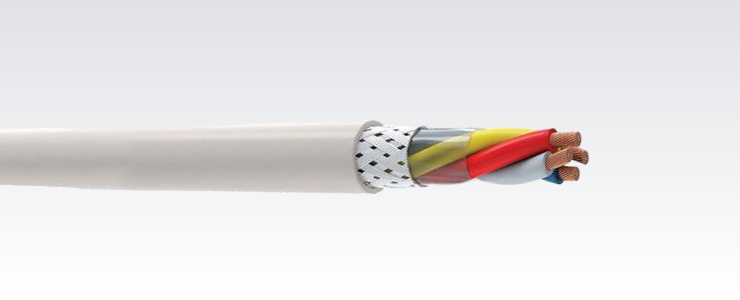
Control cables are specialized electrical cables designed to transmit signals and control power between various devices and machinery. Unlike standard power cables, control cables are typically used to connect control equipment, such as sensors, relays, and programmable logic controllers (PLCs), to automated systems. Their ability to carry low-voltage signals makes them indispensable in modern automation and control systems.
One of the primary functions of control cables is to facilitate communication between different components of a system. This communication can be in the form of analog signals (continuously varying) or digital signals (discrete values). For instance, in manufacturing facilities, control cables are employed to connect sensors that detect temperature, pressure, or motion to a central control unit that processes the data and triggers appropriate actions, such as activating a motor or shutting down a system.
The design and construction of control cables are tailored to meet the demands of specific applications. They often consist of multiple conductors insulated from each other and encased in a protective outer sheath. This construction helps to minimize electromagnetic interference (EMI), ensuring that the signals transmitted remain clear and reliable. Furthermore, control cables may be shielded to provide additional protection against external noise, which is crucial in environments with heavy machinery or electrical equipment.
Environmental factors also play a significant role in the selection of control cables. Different applications may require cables that can withstand extreme temperatures, moisture, or exposure to chemicals. Therefore, understanding the operating environment is essential for choosing the right type of control cable, as this will influence its longevity and performance.
In addition to their functional roles, control cables must comply with various industry standards and regulations. This compliance ensures safety and reliability, especially in critical applications such as industrial automation, transportation systems, and building management systems.
When selecting control cables, professionals should consider factors such as conductor size, voltage rating, and insulation material. These parameters can significantly impact the performance and efficiency of the entire system. Moreover, proper installation practices are crucial to prevent issues such as signal degradation or cable damage.
In conclusion, control cables are vital components in electrical systems that enable effective communication and control of machinery. By understanding their features, applications, and selection criteria, professionals in the electrical engineering field can ensure the successful implementation of automated systems, leading to increased efficiency and reliability in various industries.
We are here for you
 Contact with us







ZEN KABEL
GUIFANGQIAO INDUSTRIAL ZONE, LIN'AN DISTRICT, HANGZHOU CITY, ZHEJIANG PROVINCE, CHINA. 311312
© 2026 HANGZHOU ZENKABEL TECHNOLOGY CO., LTD | Powered by HANGZHOU