


The Importance of Shielding in CAT7A Ethernet Cables Explained: A Comprehensive Guide
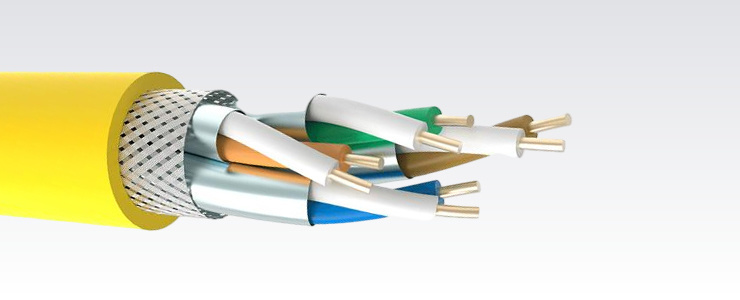
The Importance of Shielding in CAT7A Ethernet Cables Explained
Table of Contents
1. Introduction to CAT7A Ethernet Cables
2. What is Shielding and Why is it Important?
3. Types of Shielding Used in CAT7A Cables
3.1 Screened Twisted Pair (STP)
3.2 Foil Shielding
3.3 Overall Shielding
4. Benefits of Shielding in CAT7A Ethernet Cables
4.1 Enhanced Signal Quality
4.2 Reduced Electromagnetic Interference (EMI)
4.3 Improved Data Transmission Speeds
5. Applications of CAT7A Ethernet Cables
5.1 Data Centers
5.2 High-Performance Computing
5.3 Home Networking
6. How to Choose the Right CAT7A Cable
7. Common Misconceptions About CAT7A Ethernet Cables
8. FAQs about CAT7A Ethernet Cables and Shielding
9. Conclusion
1. Introduction to CAT7A Ethernet Cables
CAT7A Ethernet cables represent a significant advancement in networking technology, designed to meet the high demands of modern digital communication. These cables are engineered to support data rates of up to 40 Gbps over a distance of 50 meters, making them ideal for both commercial and residential environments. With a focus on shielding, these cables provide robust protection against interference, ensuring reliable and fast data transmission.
2. What is Shielding and Why is it Important?
Shielding refers to the protective layers added to cables to prevent interference from external electromagnetic sources and to minimize crosstalk between adjacent wires. In an increasingly interconnected world, where devices communicate in real-time, the importance of shielding becomes paramount. As data demands grow, the risk of signal degradation due to electromagnetic interference (EMI) also increases. Shielding in CAT7A cables effectively mitigates these risks, providing a stable and efficient networking solution.
3. Types of Shielding Used in CAT7A Cables
Understanding the different types of shielding used in CAT7A Ethernet cables is essential for selecting the right cable for your needs. Each type serves a specific purpose and provides varying levels of protection against interference.
3.1 Screened Twisted Pair (STP)
STP cables are equipped with a shield that covers each twisted pair of wires. This configuration significantly reduces the amount of EMI that can affect data transmission. It is especially beneficial in environments with a high density of electronic devices.
3.2 Foil Shielding
Foil shielding involves wrapping each wire or pair of wires in a thin layer of metallic foil. This type of shielding provides excellent protection against interference and is commonly used in high-performance applications where data integrity is critical.
3.3 Overall Shielding
Some CAT7A cables feature overall shielding that encases all twisted pairs together. This comprehensive approach not only protects the wires from external EMI but also minimizes crosstalk between the pairs, ensuring optimal signal transmission.
4. Benefits of Shielding in CAT7A Ethernet Cables
The advantages of shielding in CAT7A cables are numerous and can significantly impact network performance.
4.1 Enhanced Signal Quality
Shielding helps maintain the integrity of the signal, reducing the likelihood of errors during data transmission. This is especially important for high-speed networks where even minor disruptions can lead to significant data loss.
4.2 Reduced Electromagnetic Interference (EMI)
With the increasing number of electronic devices operating in close proximity, EMI has become a prevalent issue. Shielded CAT7A cables effectively minimize this interference, ensuring that data is transmitted without distortion.
4.3 Improved Data Transmission Speeds
By mitigating interference and maintaining signal quality, shielding enables CAT7A cables to achieve their maximum data transmission speeds, making them suitable for bandwidth-intensive applications.
5. Applications of CAT7A Ethernet Cables
The versatility of CAT7A Ethernet cables allows them to be used in various applications, providing reliable connectivity across different environments.
5.1 Data Centers
In data centers, where high-speed data transfer is essential, CAT7A cables offer the necessary performance and shielding to support extensive networking needs.
5.2 High-Performance Computing
High-performance computing environments, such as those used in scientific research and financial modeling, require reliable and fast data transmission. CAT7A cables deliver the performance needed to keep these systems running efficiently.
5.3 Home Networking
For home users seeking to build a high-speed network, CAT7A cables provide the ideal solution for streaming, gaming, and other bandwidth-intensive applications.
6. How to Choose the Right CAT7A Cable
Selecting the right CAT7A Ethernet cable involves considering several factors such as the length of the cable, the level of shielding required, and the specific needs of your network. It's crucial to choose cables that meet your bandwidth requirements and are compatible with your existing hardware.
7. Common Misconceptions About CAT7A Ethernet Cables
Several misconceptions surround CAT7A cables, including their cost and compatibility with older networking equipment. Understanding these misconceptions can help users make informed decisions when upgrading their network infrastructure.
8. FAQs about CAT7A Ethernet Cables and Shielding
1. What is the difference between CAT7 and CAT7A cables?
CAT7A cables offer improved shielding and higher data rates compared to standard CAT7 cables, making them better suited for high-performance applications.
2. Can CAT7A cables be used with older Ethernet devices?
Yes, CAT7A cables are backward compatible with older Ethernet standards, allowing them to be used in various networking environments.
3. What is the maximum length for CAT7A cable runs?
CAT7A cables can maintain high-speed performance up to 100 meters, making them versatile for various installation scenarios.
4. How does shielding impact cable performance?
Shielding helps reduce interference, thus maintaining signal integrity and allowing for faster and more reliable data transmission.
5. Are CAT7A cables worth the investment?
For those requiring high-speed, reliable connections, especially in environments with significant electronic interference, CAT7A cables are a worthwhile investment.
9. Conclusion
In conclusion, the importance of shielding in CAT7A Ethernet cables cannot be overstated. As technology continues to advance and the need for high-speed, reliable data transmission grows, investing in quality shielding becomes essential. By understanding the types of shielding available and the benefits they provide, users can make informed choices that enhance their network performance and ensure seamless connectivity. Whether for data centers, high-performance computing, or home networking, CAT7A cables with appropriate shielding are a smart choice for anyone looking to future-proof their networking infrastructure.
We are here for you
 Contact with us







ZEN KABEL
GUIFANGQIAO INDUSTRIAL ZONE, LIN'AN DISTRICT, HANGZHOU CITY, ZHEJIANG PROVINCE, CHINA. 311312
© 2026 HANGZHOU ZENKABEL TECHNOLOGY CO., LTD | Powered by HANGZHOU