


Choosing Fiber Optic Splitters: Indoor vs. Outdoor Applications
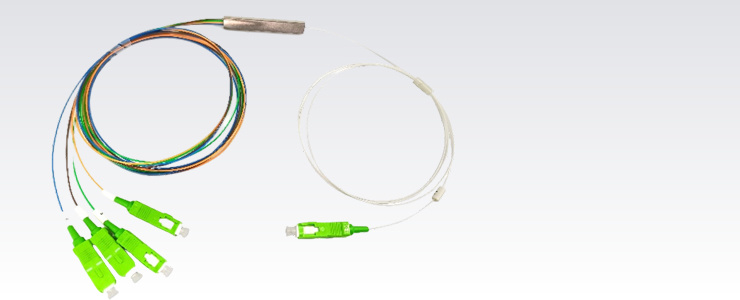
Choosing Fiber Optic Splitters for Outdoor vs. Indoor Use
In the ever-evolving landscape of telecommunications, fiber optic technology stands out for its ability to deliver high-speed data transmission over long distances. A critical component of fiber optic networks is the fiber optic splitter, which plays a vital role in distributing signals from a single optical fiber to multiple fibers. However, when it comes to choosing the right fiber optic splitter, understanding the differences between indoor and outdoor applications is crucial. In this article, we will explore the important factors to consider, ensuring you make the best choice for your networking needs.
Table of Contents
Understanding Fiber Optic Splitters
Types of Fiber Optic Splitters
Indoor vs. Outdoor Fiber Optic Splitters
Environmental Considerations for Outdoor Use
Installation Methods for Fiber Optic Splitters
Performance and Reliability Factors
Regular Maintenance of Fiber Optic Splitters
Conclusion
FAQs
Understanding Fiber Optic Splitters
Fiber optic splitters are passive devices that divide an optical signal into multiple outputs. They are essential for applications where a single optical signal needs to be distributed to several destinations. Understanding how these splitters operate is fundamental to making an informed choice.
The most common types of fiber optic splitters include:
Fused Biconical Taper (FBT) Splitters: These splitters use fused fibers to create a taper, allowing for signal division.
Planar Lightwave Circuit (PLC) Splitters: These utilize a silica waveguide to enable efficient signal splitting, offering better performance and lower insertion loss compared to FBT splitters.
Types of Fiber Optic Splitters
When considering fiber optic splitters, it is essential to understand the two primary types—FBT and PLC. Both serve the same purpose but differ in design, performance, and application.
Fused Biconical Taper (FBT) Splitters
FBT splitters are generally less expensive and are suitable for applications requiring fewer splits. They can handle fewer wavelengths and may exhibit higher insertion loss compared to PLC splitters. However, they work well in applications where cost-effectiveness is paramount.
Planar Lightwave Circuit (PLC) Splitters
PLC splitters are known for their consistent performance across multiple wavelengths and lower insertion loss. They can split signals more evenly and are ideal for larger networks where performance and reliability are crucial.
Indoor vs. Outdoor Fiber Optic Splitters
Understanding the differences between indoor and outdoor fiber optic splitters is essential for optimal performance and longevity. Here are the key distinctions:
Design and Build Quality
Outdoor splitters are designed to withstand harsh environmental conditions such as extreme temperatures, moisture, and UV exposure. They are often housed in rugged enclosures that provide protection against dust, water, and physical impacts. In contrast, indoor splitters generally have a simpler design and do not require the same level of protection.
Temperature Tolerance
Outdoor fiber optic splitters must operate effectively across a broader temperature range. Indoor units typically function well within a more moderate temperature spectrum. Choosing the right type based on the installation environment is critical for maintaining optimal performance.
Environmental Considerations for Outdoor Use
When planning an outdoor installation for fiber optic splitters, several environmental factors must be taken into account:
Moisture and Water Resistance
Outdoor splitters need to be waterproof and resistant to moisture ingress. They are often rated with an IP67 or higher, meaning they can withstand submersion in water for a certain duration without damage. Ensure that the connectors and enclosures are adequately sealed to prevent moisture-related issues.
UV Protection
Outdoor environments expose splitters to direct sunlight, which can degrade materials over time. Opt for splitters that incorporate UV-resistant coatings and materials to ensure longevity. This protective feature is vital for maintaining signal integrity in the long run.
Temperature Fluctuations
As outdoor temperatures can vary significantly, splitters should be designed to handle these changes. Look for splitters with wide operational temperature ranges and materials that minimize expansion and contraction.
Installation Methods for Fiber Optic Splitters
The installation process for fiber optic splitters varies based on the application environment. Here are some critical points to consider for effective installation:
Indoor Installation
Indoor installations typically involve less complexity. Follow these steps:
Ensure proper cable management to avoid kinks and bends in the fiber.
Install in a controlled environment where temperature and humidity are regulated.
Employ appropriate enclosures for cable routing to maintain aesthetics and safety.
Outdoor Installation
Outdoor installations require more meticulous planning. Consider the following:
Utilize weatherproof enclosures to protect against environmental factors.
Ensure proper grounding and bonding to mitigate lightning strikes and electrical surges.
Adhere to local regulations regarding outdoor installations to prevent compliance issues.
Performance and Reliability Factors
The performance of fiber optic splitters can significantly impact network reliability. Consider the following factors:
Insertion Loss
Insertion loss is the loss of signal strength as it passes through the splitter. For optimal performance, choose splitters with the lowest insertion loss ratings. PLC splitters usually provide superior insertion loss characteristics compared to FBT splitters.
Return Loss
Return loss measures how much light is reflected back towards the source. High return loss is desirable as it indicates minimal reflection and signal degradation. Check the specifications to ensure that the splitter meets your network requirements.
Split Ratio
Split ratio refers to the number of outputs from a single input. Common ratios include 1:2, 1:4, 1:8, etc. Choose a splitter that accommodates your network design without compromising performance.
Regular Maintenance of Fiber Optic Splitters
To ensure longevity and optimal performance of fiber optic splitters, regular maintenance is essential:
Inspection
Periodically inspect both indoor and outdoor splitters for physical damage, corrosion, and signs of moisture ingress. This proactive approach can help identify issues before they escalate.
Cable Management
Maintain a clean and organized fiber management system to prevent stress on the cables and connectors. Proper cable management extends the life of your fiber optic components.
Testing and Monitoring
Utilize testing tools to monitor performance metrics such as insertion loss and return loss. Regular testing helps identify potential problems in the network before they affect performance.
Conclusion
Choosing the right fiber optic splitter is essential for ensuring efficient data transmission in both indoor and outdoor environments. By understanding the differences in design, environmental considerations, installation methods, and performance factors, you can make an informed decision tailored to your specific networking needs. Whether you opt for a PLC or FBT splitter, ensuring that it meets your environmental and operational requirements will enhance the reliability and longevity of your fiber optic network.
FAQs
1. What is the primary function of a fiber optic splitter?
The primary function of a fiber optic splitter is to divide an optical signal from a single input fiber into multiple output fibers, enabling data distribution across a network.
2. How do I choose between FBT and PLC splitters?
Choose FBT splitters for cost-effective solutions with fewer outputs and lower performance requirements. Opt for PLC splitters for higher performance, lower insertion loss, and a greater number of outputs.
3. Can I use indoor splitters outdoors?
No, indoor splitters are not designed to withstand outdoor conditions. Using them outdoors may lead to damage and signal loss.
4. How often should I maintain my fiber optic splitters?
Regular maintenance, including inspection and testing, should be conducted at least once every six months to ensure optimal performance.
5. What are common issues with fiber optic splitters?
Common issues include high insertion loss, physical damage, moisture ingress, and improper installation. Regular maintenance can help mitigate these problems.
We are here for you
 Contact with us







ZEN KABEL
GUIFANGQIAO INDUSTRIAL ZONE, LIN'AN DISTRICT, HANGZHOU CITY, ZHEJIANG PROVINCE, CHINA. 311312
© 2026 HANGZHOU ZENKABEL TECHNOLOGY CO., LTD | Powered by HANGZHOU