


Exploring the Different Types of Cable Connectors and Their Applications: A Comprehensive Guide
Exploring the Different Types of Cable Connectors and Their Applications
Table of Contents
Introduction to Cable Connectors
What Are Cable Connectors?
Types of Cable Connectors
Coaxial Connectors
Fiber Optic Connectors
Twisted Pair Connectors
Power Connectors
Industrial Connectors
Applications of Cable Connectors
Choosing the Right Connector for Your Needs
Maintenance and Care of Cable Connectors
The Future of Cable Connectors
Frequently Asked Questions
Conclusion
Introduction to Cable Connectors
Cable connectors play a vital role in modern electrical systems, bridging various devices and ensuring efficient communication and power transfer. As technology evolves, the demand for reliable and efficient cable connectors continues to grow. In this article, we will explore different types of cable connectors, their specific applications, and the considerations you should keep in mind when selecting connectors for your projects.
What Are Cable Connectors?
Cable connectors are devices used to join electrical circuits together, enabling the transmission of signals or power. These connectors allow for easy connections and disconnections between different cables and devices, promoting flexibility and convenience in a vast range of applications. They come in various shapes, sizes, and designs, tailored to meet specific needs in different environments.
Types of Cable Connectors
Understanding the different types of cable connectors is crucial for selecting the right one for your specific application. Here, we delve into some of the most common types of cable connectors.
Coaxial Connectors
Coaxial connectors are primarily used for transmitting radio frequency signals. They consist of a central conductor, an insulating layer, and a conductive shield, all encased in a protective outer layer. Common types include BNC connectors, RCA connectors, and F connectors. These types are widely utilized in television and internet connections, ensuring stable and high-quality signal transmissions.
Fiber Optic Connectors
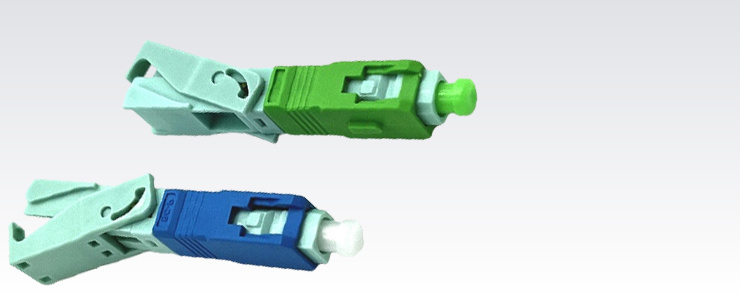
Fiber optic connectors are designed for high-speed data transmission through fiber optic cables. They convert electrical signals into light signals and back, which allows for faster data transfer over longer distances with minimal loss. Common types of fiber optic connectors include SC, LC, and ST connectors. These connectors are vital in telecommunications, internet infrastructure, and data centers.
Twisted Pair Connectors
Twisted pair connectors are primarily used in Ethernet applications for networking. They connect various devices, such as computers and routers, using twisted pair cables. RJ45 connectors are the most common type of twisted pair connector, facilitating reliable data transfer in local area networks (LANs). These connectors are essential in office environments and home networking setups.
Power Connectors
Power connectors are specialized for transmitting electrical power rather than data. These connectors are crucial in devices that require a power supply, such as computers, appliances, and industrial machinery. Common examples include AC power connectors (like C13 and C14 connectors) and DC power connectors (such as barrel connectors). Understanding the specifications of power connectors can help prevent voltage mismatches and ensure device safety.
Industrial Connectors
Industrial connectors are designed for rugged environments and heavy-duty applications. They are built to withstand extreme temperatures, moisture, dust, and mechanical stress. Common types include circular connectors, rectangular connectors, and automotive connectors. These connectors are widely used in manufacturing, automation, and transportation sectors, ensuring reliable performance even under challenging conditions.
Applications of Cable Connectors
The versatility of cable connectors means they find applications in numerous fields. From consumer electronics to industrial machinery, the right connector can make a significant difference in performance and reliability.
Consumer Electronics
In consumer electronics, cable connectors are indispensable. They facilitate connections between devices such as televisions, gaming consoles, and sound systems. Audio and video connectors, like HDMI and RCA, play a crucial role in home entertainment systems, delivering high-quality sound and video.
Telecommunications
In telecommunications, fiber optic connectors are vital for high-speed internet and data transfer. They are used across networks, ensuring stable connections in residential and commercial settings. The reliability of these connectors affects overall network performance, making them a critical component in modern communication systems.
Industrial Automation
In industrial automation, robust connectors ensure seamless connections between machines and control systems. Industrial connectors are built to withstand harsh environments and provide reliable performance for sensors, actuators, and controllers. Their ability to maintain connection integrity is essential for operational efficiency.
Medical Equipment
In the medical field, specialized cable connectors are used in diagnostic and treatment equipment. These connectors must meet strict safety standards and ensure reliable connections to prevent equipment failure during critical procedures.
Choosing the Right Connector for Your Needs
Selecting the appropriate cable connector requires careful consideration of several factors. Understanding these factors can help ensure optimal functionality and reliability in your applications.
Consider the Application
The first step in choosing a connector is to identify its intended application. Whether it’s for data transfer, power supply, or audio/video transmission, selecting a connector specifically designed for that purpose is crucial.
Evaluate Performance Requirements
Consider the performance requirements, such as data speed, voltage levels, and environmental conditions. For example, high-speed applications may require fiber optic connectors, while harsh environments necessitate industrial-grade connectors.
Compatibility with Existing Systems
Ensure that the chosen connector is compatible with existing systems and devices. This includes checking the pin configuration, size, and type of connector required for a seamless connection.
Cost and Availability
Finally, consider the cost and availability of the connectors. While it is essential to stay within budget, opting for lower-quality connectors may lead to performance issues in the long run.
Maintenance and Care of Cable Connectors
Proper maintenance and care of cable connectors can enhance their lifespan and performance. Here are some best practices to follow:
Regular Inspections
Conduct regular inspections of connectors to check for signs of wear, damage, or corrosion. Early detection can prevent potential issues down the line.
Cleaning Connectors
Keep connectors clean by using appropriate cleaning methods. Dust and contaminants can affect connectivity, so a gentle cleaning with specialized solutions can help maintain performance.
Avoiding Overexertion
When connecting and disconnecting cables, avoid excessive force to prevent physical damage to both the connector and the receptacle. Gentle handling extends the life of the components.
The Future of Cable Connectors
As technology progresses, the future of cable connectors looks promising. Innovations in connector design, materials, and functionality are emerging, driven by the need for faster data transfer, greater efficiency, and enhanced durability.
Miniaturization
The trend towards miniaturization in electronics is influencing connector design. Smaller, more efficient connectors enable the development of compact devices without compromising performance.
Increased Durability
Future connectors will likely focus on enhancing durability, especially for industrial applications. Advances in materials will lead to connectors that can withstand extreme conditions while maintaining performance integrity.
Smart Connectors
The rise of the Internet of Things (IoT) is paving the way for smart connectors that can communicate with devices and provide real-time feedback on performance. These connectors will enhance automation and convenience across various sectors.
Frequently Asked Questions
1. What factors should I consider when selecting a cable connector?
When selecting a cable connector, consider the application, performance requirements, compatibility with existing systems, and budget constraints.
2. How do I maintain cable connectors?
Regularly inspect connectors for damage, clean them as needed, and handle them gently to avoid physical stress.
3. What are the most common types of cable connectors?
The most common types include coaxial connectors, fiber optic connectors, twisted pair connectors, power connectors, and industrial connectors.
4. Are there specific connectors for medical equipment?
Yes, there are specialized connectors designed for medical applications that meet strict safety and performance standards.
5. What is the future direction of cable connector technology?
The future of cable connectors includes trends towards miniaturization, increased durability, and the integration of smart technologies.
Conclusion
Understanding the different types of cable connectors and their applications is essential for anyone involved in electrical systems and networking. As technology continues to advance, staying informed about the latest developments in connector technology will help ensure the efficiency and reliability of your systems. By selecting the right connectors and practicing proper maintenance, you can enhance the performance of your devices and systems, ultimately leading to more reliable connectivity in an increasingly connected world.
We are here for you
 Contact with us







ZEN KABEL
GUIFANGQIAO INDUSTRIAL ZONE, LIN'AN DISTRICT, HANGZHOU CITY, ZHEJIANG PROVINCE, CHINA. 311312
© 2026 HANGZHOU ZENKABEL TECHNOLOGY CO., LTD | Powered by HANGZHOU