


The Environmental Benefits of Using CAT7A Ethernet Cables: A Sustainable Choice for Modern Connectivity
The Environmental Benefits of Using CAT7A Ethernet Cables: A Sustainable Choice for Modern Connectivity
Table of Contents
1. Introduction to CAT7A Ethernet Cables
2. Understanding CAT7A Technology
3. Environmental Impact of Traditional Ethernet Cables
4. Energy Efficiency of CAT7A Cables
5. Recyclability and Material Sustainability
6. Reduced Electromagnetic Interference and Its Benefits
7. Long-term Savings and Environmental Benefits
8. Conclusion
9. Frequently Asked Questions (FAQs)
1. Introduction to CAT7A Ethernet Cables
In today's interconnected world, fast and reliable internet access is critical. With the increasing demand for high-speed data transmission, the choice of Ethernet cables has become essential. CAT7A Ethernet cables stand out for their superior performance and enhanced environmental benefits. As we delve deeper into the advantages of these cables, it becomes clear that they not only support modern connectivity but also uphold sustainability.
2. Understanding CAT7A Technology
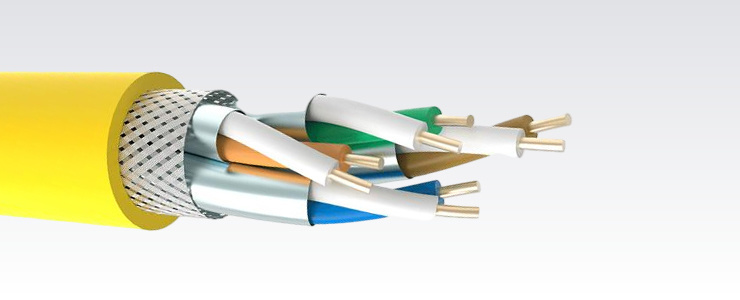
CAT7A cables are an advancement in Ethernet technology, designed to support data rates of up to 10 Gbps over longer distances. Built with enhanced shielding and high-quality materials, they minimize crosstalk and interference, ensuring a stable connection. The cable structure features twisted pairs and shielding that significantly improve performance, making them ideal for both commercial and residential applications. Their robust design promotes longer lifespans, which contributes to reduced environmental impact over time.
3. Environmental Impact of Traditional Ethernet Cables
Traditional Ethernet cables, such as CAT5 and CAT6, while functional, have environmental drawbacks. They often utilize materials that are not eco-friendly, and their shorter lifespans contribute to electronic waste. The production processes of these cables also consume significant energy and resources. As technology advances, the need to address these environmental concerns has become paramount, and CAT7A cables present a viable solution.
4. Energy Efficiency of CAT7A Cables
One of the standout benefits of CAT7A Ethernet cables is their energy efficiency. These cables are designed to transmit data at higher speeds while using less energy. This reduction in energy consumption is critical, especially for businesses that rely on extensive networks. By adopting CAT7A cables, organizations can significantly lower their energy bills and carbon footprint, contributing to a greener planet.
5. Recyclability and Material Sustainability
Another essential environmental benefit of CAT7A cables is their recyclability. Manufacturers are increasingly focusing on sustainable practices, utilizing materials that can be easily recycled. This approach not only minimizes waste but also supports the circular economy. When CAT7A cables reach the end of their life cycle, they can be processed and transformed into new products, reducing the need for virgin materials.
6. Reduced Electromagnetic Interference and Its Benefits
CAT7A cables are engineered to minimize electromagnetic interference (EMI), which can disrupt the performance of electronic devices. This feature is particularly beneficial in urban areas where numerous devices operate simultaneously. By ensuring cleaner signals and less interference, CAT7A cables reduce the need for additional networking equipment, which can often be power-hungry. This contributes further to energy savings and less environmental strain.
7. Long-term Savings and Environmental Benefits
While the initial investment in CAT7A cables may be higher than that of lower-grade cables, the long-term savings are substantial. Their durability and efficiency mean fewer replacements, lower energy costs, and reduced environmental impact. Businesses and individuals who invest in CAT7A cables are not only making a smart economic decision but also a responsible environmental choice.
8. Conclusion
The transition to CAT7A Ethernet cables represents a significant step towards a more sustainable future in connectivity. With their energy efficiency, recyclability, and reduced electromagnetic interference, these cables offer numerous environmental benefits over traditional Ethernet solutions. As the demand for high-speed internet continues to grow, embracing CAT7A technology is not only a smart choice but a necessary one for those committed to environmental stewardship.
9. Frequently Asked Questions (FAQs)
1. What makes CAT7A cables environmentally friendly?
CAT7A cables are designed with recyclable materials and promote energy efficiency, minimizing their overall environmental impact compared to traditional cables.
2. How does the energy efficiency of CAT7A cables benefit users?
By consuming less power while transmitting data at high speeds, CAT7A cables help reduce energy costs and lower carbon footprints for both businesses and consumers.
3. Can CAT7A cables reduce electronic waste?
Yes, their longer lifespan and recyclability contribute to lower electronic waste generation, making them a more sustainable choice in the long run.
4. What is electromagnetic interference, and how do CAT7A cables reduce it?
Electromagnetic interference (EMI) disrupts data transmission. CAT7A cables are engineered with superior shielding to minimize EMI, ensuring cleaner signals and better performance.
5. Are CAT7A cables a good investment for small businesses?
Absolutely. The long-term savings from reduced energy costs and fewer replacements make CAT7A cables a worthwhile investment for small businesses aiming to enhance their networking capabilities sustainably.
By making informed choices regarding Ethernet cables, we can collectively contribute to a more sustainable environment. Embracing CAT7A technology today paves the way for a greener future.
We are here for you
 Contact with us







ZEN KABEL
GUIFANGQIAO INDUSTRIAL ZONE, LIN'AN DISTRICT, HANGZHOU CITY, ZHEJIANG PROVINCE, CHINA. 311312
© 2026 HANGZHOU ZENKABEL TECHNOLOGY CO., LTD | Powered by HANGZHOU