


The Essential Guide to CAT7A Ethernet Cables: Unleashing High-Speed Connectivity
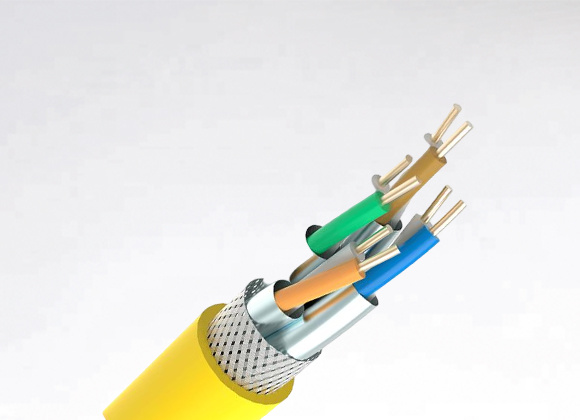
CAT7A Ethernet cables represent a significant leap forward in networking technology, designed to meet the growing demands of high-speed data transmission in various professional environments. As an upgraded version of the CAT7 cables, CAT7A provides enhanced performance, making it an ideal choice for businesses and industries that require robust and efficient network infrastructure.
One of the standout features of CAT7A Ethernet cables is their capacity to support data rates of up to 40 Gbps over a distance of 50 meters, and up to 100 Gbps for shorter distances. This capability is essential for modern applications such as data centers, server rooms, and high-performance computing environments, where rapid data transfer is crucial. Furthermore, CAT7A cables feature a frequency range of up to 1,000 MHz, allowing for greater bandwidth and reduced signal interference.
The construction of CAT7A Ethernet cables enhances their performance as well. These cables typically employ advanced shielding techniques, including shielding for each twisted pair and an overall shield, which minimizes crosstalk and external interference. This is particularly beneficial in settings with numerous electronic devices or in close proximity to other cables and machinery, ensuring a stable and reliable connection.
In terms of installation, CAT7A cables are backward compatible with older formats such as CAT6 and CAT5e. This means that if your infrastructure currently uses these older cable types, you can upgrade to CAT7A without needing to replace all your existing equipment. This flexibility is advantageous for organizations looking to enhance their network capabilities without incurring significant costs.
Another aspect to consider is the cable's construction materials. CAT7A Ethernet cables are typically made from high-quality materials which contribute to their durability and longevity. This is vital in professional settings where network reliability is paramount, as it reduces the need for frequent replacements and maintenance.
In summary, CAT7A Ethernet cables are an excellent investment for businesses aiming to future-proof their networking capabilities. With their high data transfer rates, superior shielding, and compatibility with older systems, CAT7A cables not only meet the requirements of today's high-speed applications but also set the stage for future advancements in network technology. Whether you're managing a small office or a large enterprise, understanding the benefits of CAT7A cables can help you make informed decisions about your network infrastructure.
We are here for you
 Contact with us







ZEN KABEL
GUIFANGQIAO INDUSTRIAL ZONE, LIN'AN DISTRICT, HANGZHOU CITY, ZHEJIANG PROVINCE, CHINA. 311312
© 2026 HANGZHOU ZENKABEL TECHNOLOGY CO., LTD | Powered by HANGZHOU