


Understanding Cable Connectors: A Key Component in Electrical Wiring
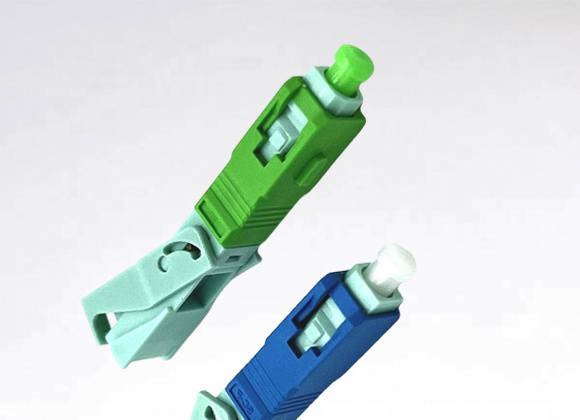
Cable connectors are devices used to join electrical circuits together. They facilitate the transmission of electrical signals or power between wires, cables, and other electrical components. In the electrical and electronics industry, understanding cable connectors is vital for ensuring a smooth flow of electricity and minimizing potential disruptions.
There are various types of cable connectors, each designed for specific applications. Some common types include screw-on connectors, push-fit connectors, and snap-fit connectors. Screw-on connectors are widely used in applications where a secure and stable connection is needed. They provide excellent mechanical strength and are often utilized in high-vibration environments. Push-fit connectors, on the other hand, are favored for their ease of use, allowing for quick assembly without the need for tools. Snap-fit connectors offer a convenient solution for applications where frequent disconnections are required, as they can be easily attached and detached.
When selecting a cable connector, it is essential to consider several factors. Firstly, you need to determine the type of cable and the specific requirements of your application. This includes factors such as the amount of current the connector will carry, the environmental conditions it will be exposed to, and any regulatory standards that must be met. Additionally, the physical size and layout of your project can influence your choice, as some connectors are bulkier than others and may not fit in tight spaces.
Another crucial aspect to consider is the material and durability of the connector. Connectors are typically made from a variety of materials, including plastics, metals, and rubber. Each material has its advantages and disadvantages in terms of conductivity, corrosion resistance, and temperature tolerance. For instance, metal connectors provide better conductivity but may be prone to rust if not properly insulated.
Proper installation of cable connectors is also vital for ensuring their effectiveness. Poorly connected cables can lead to increased resistance, overheating, or even complete circuit failure. It’s important to follow best practices during installation, such as stripping the wires to the correct length, ensuring a clean connection, and securely fastening the connectors.
In summary, cable connectors are a fundamental part of electrical systems, providing the necessary link between various components. Understanding the types of connectors available and the factors to consider when choosing one can significantly impact the performance and reliability of your electrical projects. By selecting the right cable connector, you can enhance the efficiency of your systems and extend the lifespan of your electrical installations.
We are here for you
 Contact with us







ZEN KABEL
GUIFANGQIAO INDUSTRIAL ZONE, LIN'AN DISTRICT, HANGZHOU CITY, ZHEJIANG PROVINCE, CHINA. 311312
© 2026 HANGZHOU ZENKABEL TECHNOLOGY CO., LTD | Powered by HANGZHOU