


Understanding Cable Connectors: Essential Components for Electrical Applications
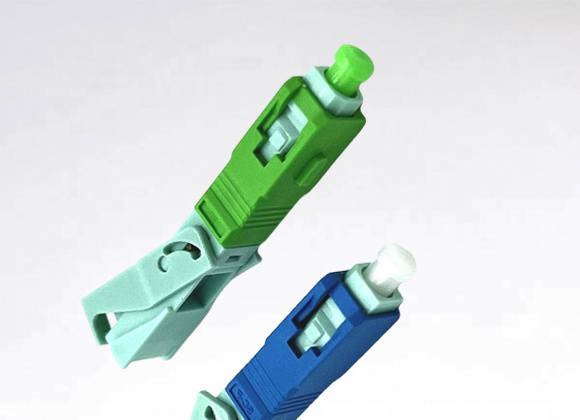
Cable connectors are indispensable in numerous electrical systems, allowing for the seamless transmission of power and data between devices. At their core, cable connectors serve to join two or more cables or wires, ensuring that electrical signals can flow uninterrupted. Understanding the different types of cable connectors and their specific applications is essential for professionals looking to optimize their electrical projects.
There are several types of cable connectors, each designed for particular uses. Common types include:
1. Coaxial Connectors: Often used in radio frequency (RF) applications, coaxial connectors provide excellent shielding from electromagnetic interference, making them ideal for television and internet connections.
2. USB Connectors: Widely used in consumer electronics, USB connectors allow for both data transfer and power supply. They come in various forms, including USB-A and USB-C, catering to different device requirements.
3. RJ45 Connectors: These connectors are standard in networking applications, specifically for Ethernet cables. RJ45 connectors ensure stable internet connections in both residential and commercial settings.
4. Molex Connectors: Commonly used in internal computer components, Molex connectors facilitate power delivery and data transmission within various electronic devices.
5. Screw Terminal Connectors: These connectors are versatile and widely used in industrial applications. They allow for easy and secure connections, often seen in control panels and equipment wiring.
When selecting cable connectors, several factors must be considered to ensure compatibility and performance. These include the connector type, size, and the specific application it is intended for. Additionally, the environmental conditions, such as temperature and exposure to moisture, can influence the choice of connector, as some materials are better suited for harsh environments.
Proper installation and maintenance of cable connectors are crucial for preventing connectivity issues. Regular inspection for wear and damage can help maintain optimal performance. Employing best practices, such as using appropriate tools for installation and ensuring clean contact points, can significantly enhance the longevity and reliability of connections.
In conclusion, cable connectors play an essential role in electrical systems across various industries. By understanding their types, applications, and maintenance requirements, professionals can make informed decisions that enhance the efficiency and reliability of their electrical projects. Keeping abreast of the latest advancements in cable connector technology can further aid in optimizing system performance and ensuring robust connectivity.
We are here for you
 Contact with us







ZEN KABEL
GUIFANGQIAO INDUSTRIAL ZONE, LIN'AN DISTRICT, HANGZHOU CITY, ZHEJIANG PROVINCE, CHINA. 311312
© 2026 HANGZHOU ZENKABEL TECHNOLOGY CO., LTD | Powered by HANGZHOU