


Understanding Cable Connectors: The Backbone of Electrical Connections
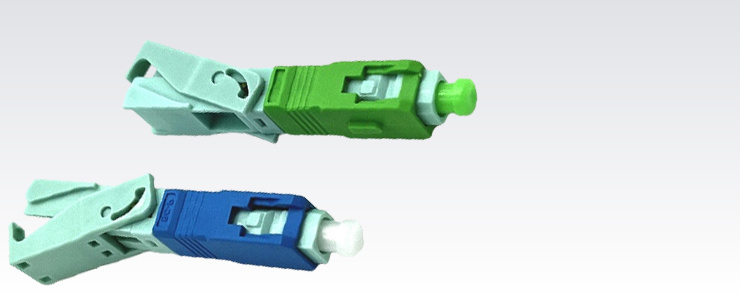
Cable connectors are critical components in electrical systems, enabling the seamless flow of electricity between devices, equipment, and networks. They serve as interfaces that facilitate connections while ensuring safety and reliability. Understanding the types of cable connectors and their applications can significantly enhance the efficiency and durability of electrical projects.
There are several types of cable connectors, each designed for specific purposes. Common types include circular connectors, rectangular connectors, and coaxial connectors. Circular connectors are widely used in industrial applications due to their robustness and ability to withstand harsh environments. Rectangular connectors, on the other hand, are often employed in data transmission systems, offering superior performance for high-speed applications. Coaxial connectors are essential in radio frequency (RF) applications, providing high-quality signal transmission.
One of the primary functions of cable connectors is to create a secure and stable electrical connection. This is crucial for preventing electrical failures, which can lead to equipment malfunction or even safety hazards. Quality cable connectors are designed to withstand mechanical stress, moisture, and temperature fluctuations, ensuring long-term reliability.
Moreover, the proper selection of cable connectors is vital for maintaining signal integrity. Mismatched connectors can lead to signal loss, interference, and degradation of performance. It is essential to consider factors such as the type of cable used, the environment in which the connectors will be installed, and the specific requirements of the electrical system when choosing cable connectors.
Installation and maintenance also play a significant role in the overall effectiveness of cable connectors. Proper installation techniques, including appropriate torque specifications and alignment, can prevent issues related to connectivity. Regular maintenance checks can help identify wear and tear, ensuring that connections remain secure and functional.
In conclusion, cable connectors are indispensable in the electrical and electronics industry, serving as the nexus for connecting various components. Understanding their types, functions, and best practices for installation and maintenance can significantly impact the performance and longevity of electrical systems. By prioritizing the selection and care of cable connectors, professionals can enhance the reliability and efficiency of their projects, ultimately leading to greater success in their applications.
We are here for you
 Contact with us







ZEN KABEL
GUIFANGQIAO INDUSTRIAL ZONE, LIN'AN DISTRICT, HANGZHOU CITY, ZHEJIANG PROVINCE, CHINA. 311312
© 2026 HANGZHOU ZENKABEL TECHNOLOGY CO., LTD | Powered by HANGZHOU