


Understanding Cable Connectors: The Backbone of Electrical Connectivity
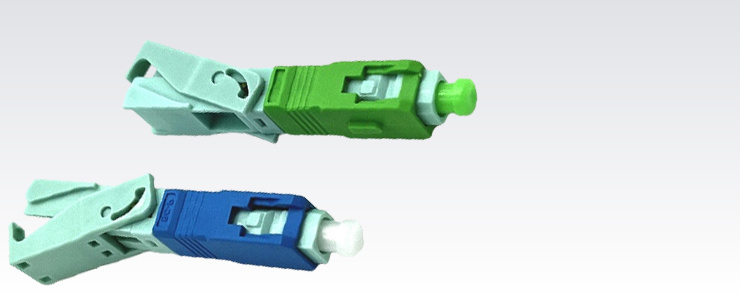
Cable connectors serve as vital interfaces that establish electrical connections between different devices or systems. They are designed to facilitate the reliable transfer of power and signals, enabling seamless communication and functionality across various applications, from residential wiring to complex industrial equipment.
One primary function of cable connectors is to ensure a secure and stable connection, which is paramount in preventing electrical failures or interruptions. These connectors come in various designs, each tailored to specific applications and environments. Common types of cable connectors include coaxial connectors, USB connectors, and circular connectors, among others. Each type boasts unique features that cater to different requirements, such as durability, ease of use, and resistance to environmental factors.
In the realm of electrical engineering, the choice of a cable connector is influenced by various factors, including the type of cable being used, the operational environment, and the required electrical specifications. For instance, a robust connector may be essential in outdoor applications where exposure to moisture and dust is prevalent, while a compact connector might be favored in consumer electronics where space is limited.
Moreover, cable connectors are available in various configurations, including male and female connectors, which determine how they will mate with corresponding cables. Understanding these configurations is crucial for professionals who work with electrical systems, as using the correct type can significantly affect the performance and reliability of the entire setup.
Beyond their basic functions, cable connectors also play a significant role in safety. Many connectors are designed with features such as locking mechanisms and strain relief, which help prevent accidental disconnections and reduce the risk of electrical hazards. Ensuring proper installation and maintenance of these connectors is essential for optimal performance and safety.
As technology continues to evolve, the demand for high-performance cable connectors is increasing across various sectors, including telecommunications, automotive, and renewable energy. Professionals in the electrical field must stay informed about the latest advancements in connector technology to ensure they are using the most effective solutions for their applications.
In conclusion, cable connectors are indispensable components in the electrical landscape, enabling efficient power and signal transmission. By understanding their types, functions, and applications, professionals can make informed decisions that enhance the reliability and safety of their electrical systems. Embracing innovation in cable connector technology will undoubtedly play a critical role in shaping the future of electrical connectivity.
We are here for you
 Contact with us







ZEN KABEL
GUIFANGQIAO INDUSTRIAL ZONE, LIN'AN DISTRICT, HANGZHOU CITY, ZHEJIANG PROVINCE, CHINA. 311312
© 2026 HANGZHOU ZENKABEL TECHNOLOGY CO., LTD | Powered by HANGZHOU