


Understanding Control Cables: Essential Insights for Electrical Professionals
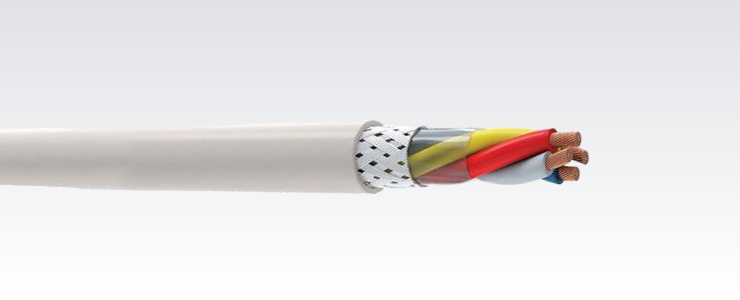
Control cables are integral to many electrical applications, playing a crucial role in the transmission of signals and power from one point to another. These cables are designed to control and monitor various electrical devices within a system, making them essential for both industrial and commercial environments.
One of the primary functions of control cables is to enable the operation of automated systems. In settings such as factories, control cables link sensors, controllers, and actuators, facilitating smooth communication between different components. This interconnectivity is essential for the automated control of machinery, ensuring efficient operation and safety.
When selecting control cables, it is important to consider several key factors. First, assess the cable's construction. Control cables typically consist of multiple conductors, which may be either stranded or solid. The choice between these depends on factors like flexibility requirements and the specific application. Stranded conductors offer greater flexibility, making them ideal for environments where movement is necessary, while solid conductors are often used for fixed installations due to their robustness.
Next, consider the cable's insulation and sheathing materials. These materials protect the conductors from environmental hazards such as moisture, chemicals, and abrasion. Common insulation types include PVC and polyurethane, each offering different benefits regarding temperature resistance and mechanical protection. Additionally, armored options are available for applications requiring enhanced physical protection.
The operating environment also dictates the choice of control cable. Cables used in outdoor applications must withstand UV exposure, while those installed in industrial settings may need to be resistant to oil and chemicals. Factors such as temperature extremes, moisture levels, and exposure to electromagnetic interference (EMI) should all be taken into account to ensure optimal performance and durability.
Another critical aspect of control cables is their compliance with relevant industry standards. Adhering to standards such as IEC or UL ensures that the cables meet safety and performance specifications, which is essential for minimizing the risk of failures that can lead to downtime or safety hazards.
In conclusion, control cables are indispensable in modern electrical systems, providing the necessary connectivity for efficient operation. By understanding their construction, material properties, environmental considerations, and compliance with industry standards, electrical professionals can make informed decisions that enhance the reliability and efficiency of their installations. Proper selection and installation of control cables not only facilitate effective communication between devices but also contribute to the overall safety and integrity of electrical systems.
We are here for you
 Contact with us







ZEN KABEL
GUIFANGQIAO INDUSTRIAL ZONE, LIN'AN DISTRICT, HANGZHOU CITY, ZHEJIANG PROVINCE, CHINA. 311312
© 2026 HANGZHOU ZENKABEL TECHNOLOGY CO., LTD | Powered by HANGZHOU