


Understanding Industrial High Flex Ethernet Cables: A Guide for Electrical Professionals
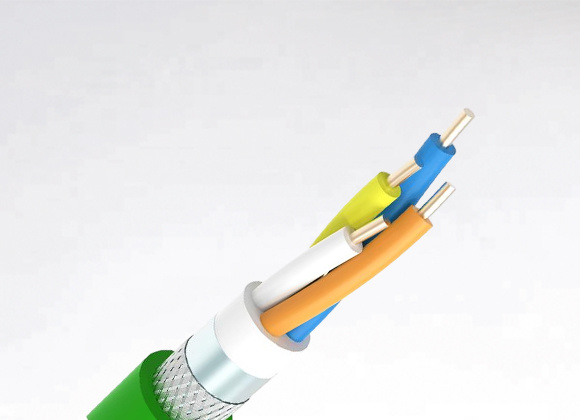
In the world of industrial automation, reliable and efficient communication is crucial. Industrial High Flex Ethernet Cables are designed to meet the demanding requirements of environments where flexibility and durability are paramount. These specialized cables are engineered to withstand continuous movement and bending, making them ideal for use in robotic systems, machine control, and various other dynamic applications.
One of the standout features of Industrial High Flex Ethernet Cables is their exceptional flexibility. Unlike standard Ethernet cables, which may not hold up under repetitive flexing, these cables utilize advanced materials and construction techniques to maintain performance even in harsh conditions. This flexibility is critical in applications where cables are frequently moved or subjected to tight bends, ensuring that they can operate without interruption or signal degradation.
Moreover, Industrial High Flex Ethernet Cables are built to endure a range of environmental challenges. They often have enhanced protection against chemicals, moisture, and extreme temperatures, which makes them suitable for factories, warehouses, and outdoor installations. These cables are typically designed to comply with various industrial standards, ensuring that they can reliably transmit data in demanding settings.
In addition to their physical robustness, these cables also support high data rates, making them compatible with modern networking standards. This capability is essential for applications that require real-time data transfer, such as video surveillance, automated manufacturing processes, and IoT devices. As industries move towards smarter, more connected systems, the demand for high-performance networking solutions like Industrial High Flex Ethernet Cables continues to grow.
Another advantage of these cables is their installation ease. Despite their high-performance capabilities, many Industrial High Flex Ethernet Cables are designed to be lightweight and manageable, facilitating quick and efficient installation. This aspect can significantly reduce downtime during system upgrades or repairs, ultimately leading to increased productivity.
When selecting an Industrial High Flex Ethernet Cable, it is important to consider factors such as cable length, environmental conditions, and specific application requirements. Customization options are often available, allowing you to tailor the cable to your unique industrial needs.
In summary, Industrial High Flex Ethernet Cables are a vital component in modern industrial communications. Their flexibility, durability, and high-speed data capabilities make them indispensable for a variety of applications. By understanding the advantages and features of these cables, electrical professionals can make informed decisions that enhance system performance and reliability in their operations.
We are here for you
 Contact with us







ZEN KABEL
GUIFANGQIAO INDUSTRIAL ZONE, LIN'AN DISTRICT, HANGZHOU CITY, ZHEJIANG PROVINCE, CHINA. 311312
© 2026 HANGZHOU ZENKABEL TECHNOLOGY CO., LTD | Powered by HANGZHOU