


Why Cable Connectors are Essential for Reliable Electrical Connections
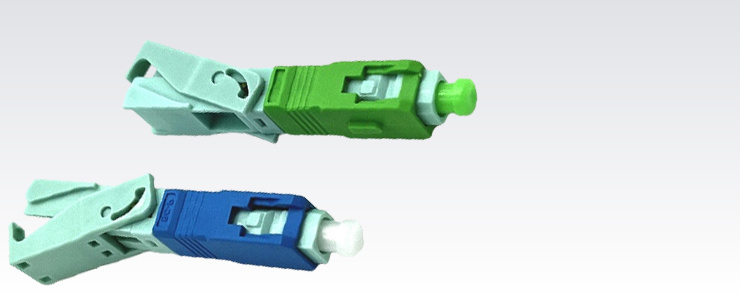
Why Cable Connectors are Essential for Reliable Electrical Connections
Table of Contents
Introduction to Cable Connectors
The Importance of Reliable Electrical Connections
Different Types of Cable Connectors
Industrial Cable Connectors
Automotive Connectors
Audio and Video Connectors
Applications of Cable Connectors
Advantages of Using Quality Cable Connectors
Proper Installation and Maintenance of Cable Connectors
Common Issues with Cable Connectors and Solutions
FAQs About Cable Connectors
Conclusion
Introduction to Cable Connectors
Cable connectors serve as the fundamental link between different electrical components, enabling the flow of electricity in various applications. These small yet powerful devices ensure that connections remain secure and efficient, preventing disruptions in electrical systems. Whether in industrial settings, automotive applications, or home entertainment systems, cable connectors play an indispensable role.
Understanding the types and functions of cable connectors is essential for anyone working with electrical systems. By selecting the right connectors for specific applications, we can enhance the reliability and performance of electrical connections.
The Importance of Reliable Electrical Connections
Reliable electrical connections are vital for several reasons:
1. Safety: Poor connections can lead to short circuits, overheating, and even fires. Ensuring connections are secure helps prevent such hazards.
2. Efficiency: Reliable connections minimize energy loss and improve the overall efficiency of electrical systems. This can lead to lower energy costs and extended equipment lifespan.
3. Performance: In high-performance applications, such as audio and video systems, signal integrity is crucial. Quality connectors help maintain the clarity and quality of signals.
4. Durability: High-quality connectors can withstand environmental factors like moisture, dust, and temperature fluctuations, prolonging the lifespan of electrical systems.
Different Types of Cable Connectors
Cable connectors come in various shapes and sizes, each designed for specific applications. Understanding these types can help us choose the right connector for our needs.
Industrial Cable Connectors
Industrial cable connectors are robust and designed to endure harsh conditions. These connectors are commonly used in manufacturing and heavy machinery environments. They typically feature locking mechanisms to ensure a secure connection even in high-vibration scenarios.
Automotive Connectors
Automotive connectors are specifically engineered to withstand the rigors of automotive environments, including exposure to heat, moisture, and corrosive substances. They are crucial for connecting various components within a vehicle, from the battery to sensors and entertainment systems.
Audio and Video Connectors
Audio and video connectors are essential in ensuring high-quality transmission of signals in entertainment and broadcasting systems. Examples include HDMI, RCA, and XLR connectors, each tailored for specific applications to deliver optimal sound and picture quality.
Applications of Cable Connectors
Cable connectors are utilized across a variety of industries and applications:
– Telecommunications: Ensuring reliable connections in phone lines, internet cables, and network infrastructure.
– Consumer Electronics: Connecting devices such as televisions, audio systems, and gaming consoles.
– Industrial Automation: Facilitating communication between sensors and control systems in manufacturing processes.
– Renewable Energy: Connecting solar panels, wind turbines, and battery storage systems in green energy applications.
Advantages of Using Quality Cable Connectors
Investing in high-quality cable connectors offers numerous advantages:
1. Enhanced Reliability: Quality connectors reduce the risk of failures and improve system reliability.
2. Improved Safety: Superior materials and design minimize the risk of overheating and electrical hazards.
3. Lower Maintenance Costs: Durable connectors require less frequent replacement, reducing long-term maintenance costs.
4. Better Signal Quality: High-quality connectors ensure minimal signal degradation, particularly in audio and video applications.
5. Versatility: Many modern connectors are designed to be compatible with various systems and technologies, making them a flexible choice.
Proper Installation and Maintenance of Cable Connectors
To ensure optimal performance, proper installation and maintenance of cable connectors are essential. Here are some key practices:
– Follow Manufacturer Instructions: Always adhere to the installation guidelines provided by the manufacturer to ensure compatibility and safety.
– Use Quality Tools: Employ the right tools for installation to prevent damage to connectors and cables.
– Inspect Regularly: Regular inspections can identify wear and tear, allowing for timely replacements before failures occur.
– Clean Connections: Dust and debris can hinder electrical connections. Regularly clean connectors with appropriate materials to maintain optimal performance.
Common Issues with Cable Connectors and Solutions
Even with the best quality connectors, issues can arise. Here are some common problems and their solutions:
1. Loose Connections: If a connector becomes loose, it can lead to intermittent power or signal loss. Ensure connectors are properly secured during installation.
2. Corrosion: Exposure to moisture can cause corrosion. Using connectors with corrosion-resistant coatings can mitigate this issue.
3. Overheating: Overheating can occur due to poor connections or excessive current. Ensure that connectors are rated for the required load and are installed correctly.
4. Signal Loss: Deterioration of connectors can lead to signal loss, particularly in audio and video applications. Regular inspections and replacements can help maintain signal integrity.
5. Physical Damage: Connectors can be damaged through improper handling or environmental factors. Always handle connectors with care and protect them from extreme conditions.
FAQs About Cable Connectors
1. What are the most common types of cable connectors?
Common types of cable connectors include industrial connectors, automotive connectors, and audio/video connectors like HDMI, RCA, and XLR.
2. How do I know which cable connector to choose?
Choosing the right connector depends on the application, environmental conditions, and specific requirements like voltage and data transfer speed.
3. Can I use any connector for electrical connections?
Using the correct connector is essential for safety and performance. Mismatched connectors can lead to failures, safety hazards, and equipment damage.
4. How often should I inspect cable connectors?
Regular inspections should be conducted at least once a year, or more frequently in high-use or harsh environments, to identify potential issues.
5. Are there connectors that are resistant to environmental factors?
Yes, many connectors are specifically designed with materials that resist moisture, dust, and temperature variations, making them suitable for outdoor and industrial applications.
Conclusion
Cable connectors are pivotal in ensuring reliable electrical connections across various applications and industries. Their importance cannot be overstated, as they directly impact the safety, efficiency, and performance of electrical systems. By understanding the different types of connectors, their advantages, and how to maintain them, we can make informed choices that enhance our electrical projects. Investing in quality connectors and proper installation practices will ensure a seamless flow of electricity, safeguarding both equipment and users.
We are here for you
 Contact with us







ZEN KABEL
GUIFANGQIAO INDUSTRIAL ZONE, LIN'AN DISTRICT, HANGZHOU CITY, ZHEJIANG PROVINCE, CHINA. 311312
© 2026 HANGZHOU ZENKABEL TECHNOLOGY CO., LTD | Powered by HANGZHOU